



Important Notice: Amprod Acquires Simmtech

Industry InSights

10 Tips for Choosing Palletizing Systems

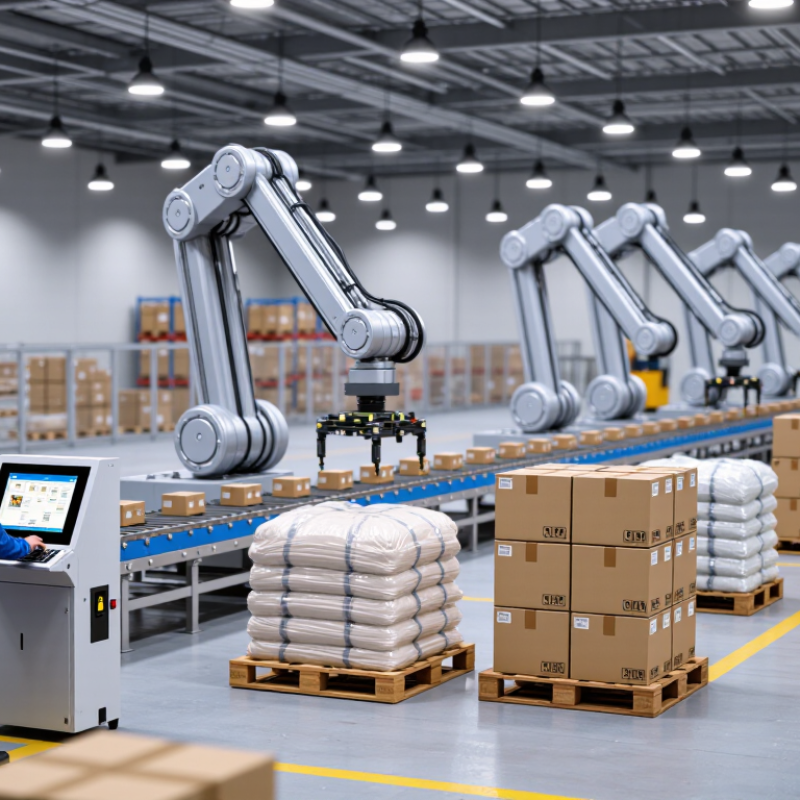
Choosing the right palletizing systems can reshape an entire production line. The decision affects speed, product safety, labor demands, floor space, and long-term operating costs. A system that looks impressive in a demonstration may struggle with dusty cartons, unstable bags, or frequent product changes. Real performance depends on your materials, packaging patterns, shift schedules, and available maintenance skills.

A careful evaluation begins with practical observation. Measure conveyor height, pallet dimensions, aisle clearance, and average case weight. Watch how products move during a full production shift. Small details matter. A loose label can confuse vision sensors. A weak carton corner can collapse under pressure. Experienced integrators also examine changeover time, gripper design, safety controls, software compatibility, and access to replacement parts. These factors often matter more than headline cycle speeds.

There is no universal solution.

The ten tips in this guide provide a structured way to compare robotic, conventional, and hybrid options. They focus on evidence rather than attractive specifications. Ask suppliers for test results using your actual products and pallet patterns. Review references from facilities with similar workloads. A pilot test may expose problems that a sales presentation misses, which is useful, even if inconvenient. Cost estimates should include installation, training, energy use, maintenance, downtime, and future expansion. The best choice is not always the fastest machine. It is the system that performs reliably, protects products, supports operators, and continues meeting production goals as your business changes. Mistakes can still happen. Good planning simply makes them less expensive.
10 Tips for Choosing Palletizing Systems

Define Production Needs and Palletizing Objectives

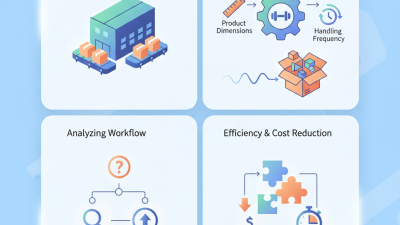
Before comparing palletizing systems, define what your operation must achieve. Start with daily volume, peak cases per hour, product dimensions, and pallet sizes. Record the number of stock keeping units and expected seasonal changes. Include fragile packaging, unstable cartons, and required layer patterns. Small details matter.

Production data should come from the floor, not assumptions. During site assessments, I examine conveyor speeds, operator movements, aisle space, and manual handling points. Watch a full shift if possible. A five-minute observation can hide frequent stoppages or awkward carton rotations. Ask operators where delays actually occur. Their experience often reveals problems missing from production reports.

Set measurable objectives before selecting equipment. You might target 900 cases per hour, fewer lifting tasks, or faster changeovers between three products. Define acceptable pallet height, load stability, and access for forklifts. Do not chase maximum speed automatically. A faster system may create more rejected pallets or difficult maintenance. Our early estimates are often wrong. That is useful evidence. Test representative cartons, including damaged or lightly filled packages. Leave room for future volume, but question every forecast. A practical objective should improve flow, safety, and consistency without forcing the facility into unrealistic operating conditions.

Define Production Needs and Palletizing Objectives

Example production-rate targets for three packaging lines

Compare the required case rate for each line before selecting a palletizing system. These illustrative targets assume an 8-hour shift; confirm actual throughput, product mix, peak demand, and available operating time using site data.

Assess Product Characteristics and Packaging Requirements

Study the product as it arrives on the line, not just as it appears in a catalog. Note its dimensions, weight, surface texture, and how consistently each unit holds its shape. A rigid carton behaves differently from a soft bag that bulges under pressure. Check for slippery film, fragile corners, or uneven contents. Small details matter. These traits affect gripping, stacking, and load stability, so test real production samples where possible.

Tips: Measure several packages, including imperfect ones. Compare cases from different batches. Check whether labels, seams, or handles interfere with gripping. Build a sample pallet and inspect its edges, gaps, and overhang. A tidy drawing can miss a carton that buckles under the bottom layer. That happens.

Packaging requirements shape the system choice, too. Confirm the pallet size, target load height, and acceptable placement accuracy. Ask how often package formats change, and whether operators can adjust settings without lengthy downtime. For mixed or delicate products, trial different layer patterns and contact points. Record damaged packages and leaning loads during testing. One trial is rarely enough; real line speeds can reveal problems that a slow demonstration hides. Also consider whether the chosen pattern protects the package, not merely whether it fits more units onto each pallet.

Compare Palletizer Types, Layouts, and Space Constraints

10 Tips for Choosing Palletizing Systems

Choosing a palletizer starts with the floor, not the brochure. Conventional layer palletizers suit stable, high-volume case flows. Robotic cells can handle changing patterns and mixed SKUs, but their reach, guarding, and pallet exchange all need room. Compare inline, L-shaped, and robotic-cell layouts against the same material-flow map. A layout can look generous on paper and still pinch forklift routes.

The International Federation of Robotics’ World Robotics 2024 report recorded 541,302 industrial robot installations worldwide in 2023. That figure covers industrial robots broadly, not palletizing systems specifically; treat it as automation context, not proof that a robot suits your line. Sketch footprints at full scale. Include conveyors, empty-pallet stacks, finished-load discharge, operator access, and maintenance space. Jam clearing matters, too.

Measure actual case sizes, load stability, required rate, SKU changes, ceiling height, and column positions before choosing a layout. One assumption deserves a second look: products will not always arrive square. Check how each option handles a crooked case and a nearly full pallet. Leave room for awkward moments. Drawings rarely show them well.

Evaluate Performance, Flexibility, Safety, and Maintenance

Choosing a palletizing system means checking more than peak cases per minute. The International Federation of Robotics reported 553,052 industrial robots installed worldwide in 2022, in its World Robotics 2023 report. That figure covers many industries, not palletizers alone, but it signals why automation capacity deserves careful evaluation. Tip: Measure full-shift output with real cartons, including pauses for label checks and pallet changes. A clean cycle-time spreadsheet can still mislead.

Flexibility matters when carton sizes, layer patterns, or order volumes change. Ask suppliers to demonstrate a changeover using your smallest and largest cases, then record the actual adjustment time. Tip: Check whether operators can edit approved recipes without rebuilding the entire program. Test the ugly cases. A system that handles today’s standard load may struggle with a slightly crushed box or a mixed-height layer.

Safety and maintenance shape uptime as much as speed. Review access points, guarding, emergency stops, and how technicians reach wear parts. OSHA’s machine-guarding guidance emphasizes protecting workers from hazards such as rotating parts and nip points; confirm safeguards during a site-specific risk assessment. Tip: Request a maintenance schedule and verify spare-part access before purchase. Small details matter. I would also leave room for uncertainty: real packaging changes, and no factory trial can reproduce every shift.

10 Tips for Choosing Palletizing Systems - Evaluate Performance, Flexibility, Safety, and Maintenance

No. Selection Tip What to Evaluate Practical Checks Why It Matters
1 Define required throughput Required cases per minute or pallets per hour, including peak demand and expected operating hours. Calculate the target from actual production records. Confirm whether quoted rates include product infeed, pallet exchange, and planned stops. A rate that does not match real demand can create bottlenecks or unnecessary investment.
2 Map products and package variations Case dimensions, weight, material, stability, and the number of product formats handled. Provide representative samples, including the smallest, largest, lightest, and most difficult-to-handle packages. Test each format. Grippers, layer-forming methods, and conveyor settings must suit the actual load range.
3 Check pallet patterns and load stability Required layer patterns, pallet sizes, load height, overhang limits, and whether slip sheets are used. Review approved patterns and test completed loads for alignment, stability, and compatibility with downstream handling. A suitable pattern helps keep loads stable during conveying, storage, and transport.
4 Match the system to product mix Number of SKUs, changeover frequency, batch sizes, and the need to run different products in sequence. Ask how recipes are selected, how settings are changed, and what operator actions are required during a format change. The right level of flexibility can reduce changeover effort without adding needless complexity.
5 Measure available floor space Equipment footprint, access aisles, ceiling height, column positions, and routes for product and pallet movement. Create a layout using verified site measurements. Include space for guarding, maintenance access, pallet staging, and future changes. A workable layout supports safe access and avoids conflicts with nearby operations.
6 Assess safety and risk controls Moving equipment, access points, pallet handling, foreseeable operator tasks, and applicable local safety requirements. Review the risk assessment, guarding, interlocks, emergency stops, and safe procedures for clearing jams and performing maintenance. Safety provisions should address normal operation as well as setup, recovery, and service tasks.
7 Review maintenance requirements Inspection intervals, lubrication points, wear parts, access for service, and the skills needed for routine work. Request a preventive-maintenance schedule, spare-parts list, troubleshooting guidance, and details of required training. Clear service requirements help plan labor, inventory, and maintenance windows.
8 Check controls and line integration Interfaces with upstream packaging, pallet conveyors, stretch wrapping, warehouse systems, and plant controls. Confirm communication signals, data needs, fault handling, and who is responsible for integration and commissioning. Reliable coordination reduces avoidable stops between connected machines.
9 Consider utilities and operating conditions Electrical supply, compressed-air needs where applicable, environmental conditions, and site-specific utility constraints. Compare documented utility requirements with verified site capacity and the conditions where the equipment will operate. Unplanned utility upgrades or unsuitable conditions can affect installation and operation.
10 Compare lifecycle cost and support Purchase and installation costs, energy and consumables, planned service, training, and support availability. Use the same operating assumptions to compare quotations. Confirm warranty terms, documentation, training, and service response arrangements. A consistent lifecycle comparison gives a broader view than purchase price alone.

Calculate Total Costs and Select the Best System fit

Choosing a palletizing system by purchase price alone can make a budget look better than it is. Estimate the full cost over a realistic service period, including equipment, guarding, installation, controls integration, floor preparation, and staff training. Then add recurring expenses: energy, gripper wear, planned maintenance, spare parts, and labor during changeovers. Small expenses accumulate. Use actual shift records where possible: cartons per hour, product changes per shift, and unplanned stoppage minutes. If records are incomplete, state your assumptions rather than treating estimates as facts. A spreadsheet is useful, but it cannot fix weak input data.

Fit matters as much as cost. Compare systems against your heaviest and lightest cases, pallet dimensions, available aisle space, and required pattern stability. A high-speed unit may sit idle if upstream packaging cannot feed it consistently; a simpler cell may offer better value on a mixed, lower-volume line. Include integration and recovery time in the comparison, not just cycle rates. Ask for a site-specific layout, operating assumptions, and maintenance plan, then verify key figures with a trial or reference installation. Payback calculations can look too neat. Recheck them against lower-than-planned volume, wage changes, and more frequent product changeovers. Leave room for uncertainty.