2026 Top Precision Machining Types for Global Buyers
Choosing the right machining process can determine a part’s cost, lifespan, and delivery reliability. For global buyers, Precision Machining} is not simply about achieving a small tolerance. It involves material behavior, machine capability, inspection discipline, and communication across borders.
A CNC mill may suit an aluminum housing with flat pockets and drilled patterns. A CNC lathe can produce a stainless-steel shaft with consistent diameters and clean threads. Swiss machining works well for slender medical or electronic components. Grinding supports tighter finishes, while EDM handles complex profiles in hardened materials. Each method leaves different marks, risks, and cost implications.
Real purchasing decisions require evidence. Review sample inspection reports, capability studies, material certificates, and calibration records. Ask how suppliers control tool wear during long production runs. Check whether CMM measurements match the drawing’s datum structure. Certifications such as ISO 9001, IATF 16949, AS9100, or ISO 13485 may matter, depending on the industry and market.
There is no universal “best” process.
A lower quotation can hide fixture charges, secondary finishing, or weak packaging. A highly automated supplier may still struggle with unclear drawings. This guide compares leading Precision Machining} types for 2026, including their strengths, limitations, applications, and buyer considerations. It also examines overlooked details, such as burr control, surface protection, export documentation, and replacement-part support. Some comparisons remain imperfect because supplier performance varies widely. That uncertainty deserves honest attention, not polished marketing language.
What Precision Machining Means in Modern Global Manufacturing
2026 Top Precision Machining Types for Global Buyers
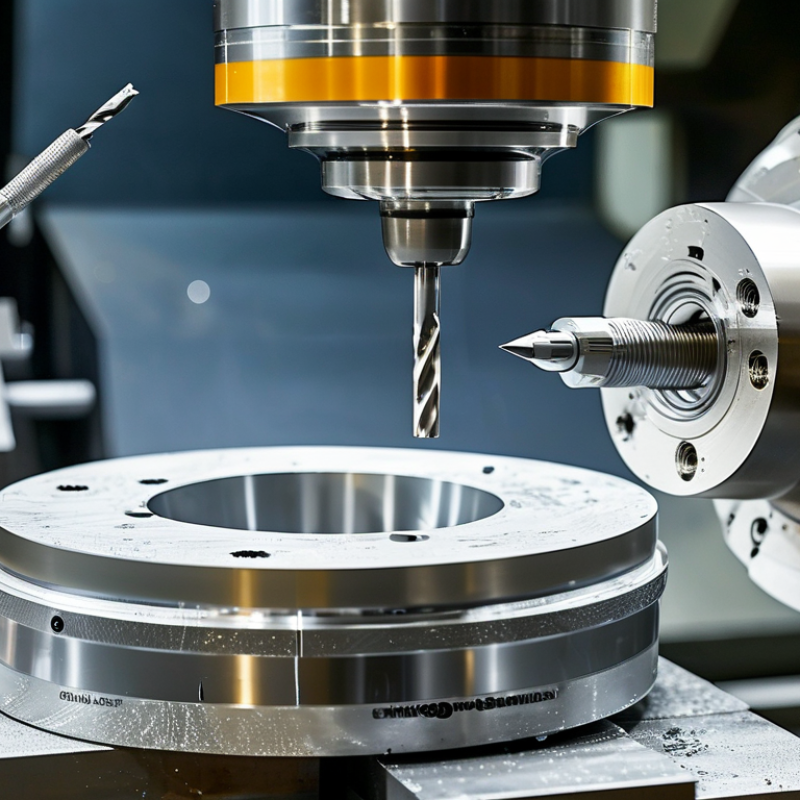
Precision machining means converting digital designs into controlled, measurable physical parts. Modern methods include CNC milling, turning, Swiss-type machining, grinding, electrical discharge machining, and five-axis cutting. Each process manages different geometries, materials, tolerances, and production volumes. A titanium medical fitting may require five-axis milling, while a steel shaft often suits CNC turning and grinding.
The World Robotics 2024 report recorded 541,302 industrial robot installations worldwide in 2023. This growth shows how machining increasingly depends on automated loading, in-process inspection, and stable data collection. Yet automation is not proof of precision. Buyers should review inspection methods, calibration records, material certificates, and process capability data. The 2023 ISO Survey reported 1,265,216 ISO 9001 certificates globally, but certification alone cannot guarantee every dimension will remain consistent.
In practical sourcing, precision machining also means communication across borders. A complete drawing should define datums, surface roughness, tolerances, thread standards, and acceptable substitutes. Small omissions become expensive delays. A supplier may interpret “tight tolerance” differently from an engineer in another region. That assumption can fail. Buyers should request sample inspection reports and clarify measurement equipment before production begins. Even a well-designed part may need revision after the first trial run. That is not weakness. It is useful manufacturing evidence.
2026 Top Precision Machining Types for Global Buyers
What Precision Machining Means in Modern Global Manufacturing
The chart compares representative achievable tolerance levels commonly specified for major precision machining processes. Lower values indicate tighter dimensional control. Actual performance depends on material, part geometry, machine condition, tooling, inspection method, batch size, and production environment.
How CNC Milling and Turning Support Complex Component Production
Global buyers often need parts with intersecting holes, curved surfaces, and tight fits. CNC milling shapes these features from solid blocks or plates. Multi-axis milling can reach angled faces without repeated setups. That reduces setup risk. CNC turning handles shafts, bushings, threads, and rotational profiles with stable cutting control. In practice, manufacturers often combine both methods for components with radial and prismatic details.
Milling controls pockets, slots, bolt patterns, and irregular faces. Turning creates accurate diameters, shoulders, and concentric features. Together, they support housings, medical instrument components, automation fittings, and energy equipment parts. Material choice matters. Aluminum cuts quickly, while stainless steel needs careful heat and tool management. Drawings should define tolerances, surface finish, thread standards, and inspection points. Ambiguity becomes expensive across borders.
Reliable production also depends on process evidence. Machinists should review 3D models, verify critical dimensions, and record inspection results before shipment. Sample parts can reveal chatter marks or weak edge definition that software cannot predict. No process is perfect. A drawing can still mislead an experienced machinist. Design reviews, first-article checks, and clear packaging instructions help prevent avoidable rework. A small unmarked datum may delay an otherwise accurate component.
How EDM and Grinding Achieve Tight Tolerances and Fine Finishes
EDM and grinding remain essential precision machining methods for global buyers in 2026. Each process controls dimensions differently. EDM removes conductive metal through controlled electrical sparks. A wire travels through dielectric fluid, cutting intricate profiles without direct tool contact. This reduces cutting force and protects delicate parts. It suits narrow slots, hardened alloys, and complex internal shapes.
Grinding works through controlled abrasion. A rotating wheel removes tiny amounts from the surface. Skilled operators adjust wheel speed, feed rate, coolant flow, and dressing frequency. These details can produce flatness within microns and a fine finish with reduced waviness. A ground shaft may feel smooth to the hand, yet inspection equipment must confirm its actual roughness.
Precision depends on more than the machine. Material hardness, heat treatment, clamping pressure, and temperature can shift results. Temperature matters. In practical production, operators often measure parts after cooling, using calibrated gauges and coordinate equipment. Buyers should request tolerance charts, surface-finish values, inspection methods, and sampling records. A drawing calling for a very tight tolerance may still lack datums or functional context. That creates avoidable discussion.
Neither process is perfect. EDM can leave a recast layer, while grinding may create burn marks if cooling fails. We have seen attractive surfaces hide dimensional problems. Process selection should follow the part’s material, geometry, tolerance, and working conditions. A supplier’s real expertise appears in these small decisions, not only in promised numbers.
What Global Buyers Should Compare Before Selecting a Machining Type
2026 Top Precision Machining Types for Global Buyers
Global buyers should compare machining types against the part’s actual requirements, not its drawing alone. CNC milling suits complex flat surfaces, pockets, and angled features. CNC turning is usually efficient for shafts, bushings, and round components. Swiss machining can handle small, detailed parts with stable support. Wire EDM is useful for hardened materials and narrow profiles, but it may increase production time.
Material behavior deserves careful attention. Aluminum cuts quickly, while stainless steel can generate heat and tool wear. Titanium often requires slower cutting and stricter process control. Ask how the supplier manages burrs, distortion, and residual stress. These details may not appear in the quotation. They can still affect assembly.
Compare tolerance capability, batch size, surface finish, inspection methods, and delivery risk. A ±0.01 mm tolerance may be unnecessary for a nonfunctional surface. It may also be unrealistic without controlled temperature and calibrated measurement equipment. Request sample inspection reports, gauge details, and clear acceptance criteria. A low price can hide extra finishing or inspection charges. I have seen buyers choose five-axis machining for simple features and pay for unused capability. That choice was technically impressive, but commercially weak. The best option often depends on repeatability, not machine complexity. Also examine communication quality, drawing revision control, packaging, and traceability before approving production.