




2026 Best Food Processing Technology for Global Buyers
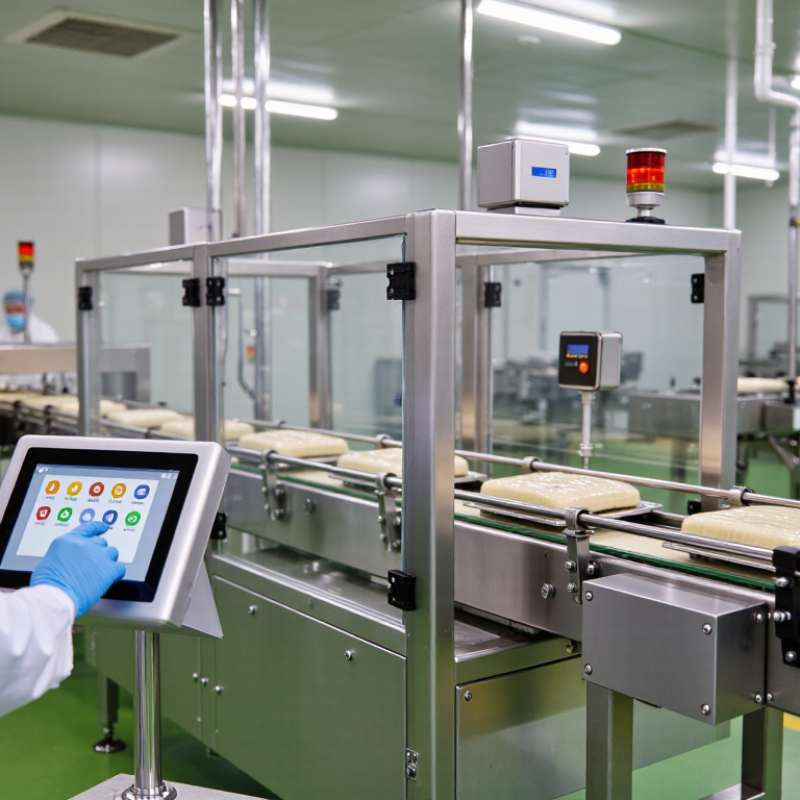
In 2026, global food buyers are evaluating more than machine speed. They want safer production, lower energy use, stable quality, and practical after-sales support. The best food processing technology must perform inside real factories, not only in polished demonstrations. Stainless-steel surfaces, hygienic conveyors, accurate temperature sensors, and easy-clean components can make a visible difference during daily operations.
Dr. R. Paul Singh, a respected food engineering scholar, has described food processing as “the application of engineering principles to the production, processing, preservation, packaging, and distribution of food.” His view remains highly relevant for international buyers. A processing line should protect nutrients, reduce contamination risks, and maintain consistent output from raw material to sealed package. It should also match local water quality, labor skills, power stability, and maintenance resources.
Not every advanced machine is the right investment. That matters.
Some buyers may overvalue automation while overlooking operator training or spare-part access. Others may select cheaper equipment and face higher cleaning costs later. These weaknesses deserve honest attention. A reliable 2026 solution should therefore combine automation with clear controls, traceable data, flexible production settings, and verified food-contact materials. Buyers should request factory trials, sanitation records, performance evidence, and realistic energy figures before signing contracts. The strongest suppliers explain limitations as openly as benefits. For global purchasing teams, this balance creates a safer path toward efficient, compliant, and resilient food production.
What Food Processing Technology Means in 2026
What Food Processing Technology Means in 2026
In 2026, food processing technology means more than faster production. It connects hygiene, energy control, traceability, and consistent product quality. A modern line may use sensors to monitor temperature, moisture, pressure, and cleaning conditions in real time. These details help operators react before a small deviation becomes a costly batch problem.
Automation is useful, but it is not magic. Data still needs trained people and reliable calibration. HACCP-based controls, validated cleaning procedures, and clear allergen management remain essential for global buyers. Equipment should also support efficient water use, lower energy demand, and flexible changeovers. This matters when one facility produces several recipes in a single shift. The picture is not perfect. Some advanced systems remain expensive, difficult to integrate, or too complex for smaller processors.
Tips: Check the full process, not only the machine. Ask for test results, cleaning instructions, sensor accuracy, spare-part plans, and operator training details. Request a sample production trial when possible. Measure output, waste, downtime, and product consistency. A polished demonstration can hide practical weaknesses. Local food regulations also differ, so buyers should confirm compliance before installation. Small, measurable improvements often create more value than impressive but unnecessary automation.
| Technology | Primary Processing Function | Typical Operating Data | Main Products | Key Buyer Benefits | Important Requirements | Best Fit for Global Buyers | 2026 Investment Priority |
|---|---|---|---|---|---|---|---|
| AI Vision Inspection and Smart Sorting | Detects defects, foreign materials, color variation, shape irregularities, and size differences using cameras, machine-learning models, and automated reject systems. | Commonly installed at line speeds of approximately 60–600 items per minute, depending on product type and inspection method. | Fresh produce, bakery products, snacks, nuts, grains, frozen foods, meat, and packaged products. | Improves sorting consistency, reduces manual inspection, supports traceability, and can reduce product giveaway caused by inaccurate grading. | Stable lighting, clean camera windows, representative training data, hygienic equipment design, and integration with the line-control system. | Processors handling variable raw materials or requiring consistent export-grade quality. | High |
| Robotic Packing and Palletizing | Automates case packing, carton handling, tray loading, pick-and-place operations, and pallet formation. | Typical robotic systems operate at approximately 10–40 picks per minute, with higher rates possible for simple applications. | Cartons, pouches, bottles, trays, cases, and multipack consumer foods. | Reduces repetitive manual work, improves workplace safety, provides stable throughput, and supports flexible format changes. | Consistent product presentation, suitable end-of-arm tooling, guarded work cells, trained maintenance staff, and reliable upstream flow. | Factories facing labor shortages, high export volumes, or frequent packaging-format changes. | High |
| High-Pressure Processing (HPP) | Uses hydrostatic pressure to reduce vegetative microorganisms in sealed products while preserving fresh-like sensory characteristics. | Commercial processing commonly uses approximately 300–600 MPa for roughly 1–5 minutes. | Juices, smoothies, ready-to-eat meals, dips, sauces, seafood, and sliced meat products. | Extends refrigerated shelf life without relying on high heat and can help retain fresh flavor, color, and nutrients. | Water-resistant flexible or semi-flexible packaging, refrigerated distribution, validated process parameters, and pressure-resistant equipment. | Premium chilled products sold across long domestic or international distribution routes. | High |
| Aseptic Processing and Packaging | Commercially sterilizes a product and packaging separately before filling in a commercially sterile environment. | Many low-acid liquid products use ultra-high-temperature treatment around 135–150°C for a few seconds, followed by sterile filling. | Milk alternatives, dairy beverages, soups, sauces, liquid foods, and nutritional beverages. | Enables ambient distribution, reduces dependence on cold-chain logistics, and can provide long shelf life in sealed packaging. | Validated thermal processing, hygienic design, sterile-air control, reliable utilities, and strict cleaning-in-place procedures. | Exporters serving regions where refrigerated logistics are limited or expensive. | High |
| Membrane Filtration | Separates, concentrates, or purifies food components using microfiltration, ultrafiltration, nanofiltration, or reverse osmosis. | Typical membrane ranges include microfiltration near 0.1–10 micrometers and ultrafiltration near 0.01–0.1 micrometers. | Dairy ingredients, plant-based beverages, fruit juices, sugar solutions, water, and protein concentrates. | Supports low-temperature concentration, ingredient recovery, water reuse, and reduced thermal damage. | Feed pre-treatment, membrane fouling control, cleaning chemicals, pressure management, and appropriate wastewater handling. | Ingredient manufacturers and processors seeking higher yields or lower evaporation energy use. | High |
| Continuous Thermal Processing | Provides controlled heating and cooling for pasteurization, sterilization, cooking, or blanching in a continuous production flow. | Pasteurization conditions vary widely by product; low-acid products may require higher temperatures and validated holding times than acidic products. | Milk, beverages, sauces, soups, liquid egg, plant-based drinks, and prepared foods. | Offers consistent heat treatment, high throughput, reduced batch variability, and easier process monitoring. | Accurate temperature sensors, flow control, calibrated holding tubes, heat recovery, and documented validation. | Medium- and large-scale factories with stable demand and continuous production schedules. | High |
| Pulsed Electric Field (PEF) | Applies short electric pulses to permeabilize cell membranes, assisting juice extraction, vegetable processing, drying, or microbial reduction. | Food applications commonly use electric-field strengths in the approximate range of 10–50 kV/cm, depending on product and process objective. | Potatoes, fruits, vegetables, juices, liquid foods, and plant-based ingredients. | Can improve extraction yield, reduce cutting-force requirements, support shorter processing times, and lower thermal exposure. | Suitable electrical conductivity, controlled product temperature, high-voltage safety systems, and product-specific validation. | Processors focused on plant-based foods, juice yield, texture control, or energy-efficient pre-treatment. | Medium to High |
| Digital Twins and Manufacturing Execution Systems | Creates a digital representation of production assets and links recipes, production data, quality records, maintenance, and traceability. | Data may be collected from sensors at intervals ranging from milliseconds to minutes, depending on the process and control requirement. | Complex multi-line food plants, beverage operations, ingredient factories, and regulated production environments. | Improves overall equipment effectiveness analysis, batch genealogy, predictive maintenance, changeover planning, and audit readiness. | Reliable industrial connectivity, standardized data models, cybersecurity controls, accurate master data, and staff training. | Global manufacturers operating multiple sites or needing consistent reporting across countries. | High |
| Inline Quality and Process Sensors | Measures parameters such as temperature, pressure, flow, moisture, pH, conductivity, concentration, weight, and product composition during production. | Many sensors provide continuous or near-real-time readings, allowing process deviations to be detected before final-product testing. | Liquids, powders, dairy products, beverages, sauces, grains, bakery products, and edible oils. | Reduces laboratory delay, supports automatic control, improves batch consistency, and helps prevent off-specification production. | Hygienic installation, calibration schedules, sensor verification, suitable measurement ranges, and data integration. | Plants where quality variation, ingredient cost, or product giveaway has a significant financial impact. | High |
| Cold-Chain Monitoring and Smart Packaging | Tracks temperature, humidity, location, shock, and package condition during storage and distribution. | Many chilled foods are managed near 0–5°C, while frozen products are commonly maintained at approximately −18°C or below, subject to local requirements. | Frozen foods, chilled meat, seafood, dairy, fresh produce, pharmaceuticals-related foods, and ready-to-eat products. | Reduces temperature-abuse risk, supports shelf-life management, improves recall response, and provides shipment evidence. | Calibrated sensors, reliable connectivity, data ownership rules, suitable packaging, and documented corrective actions. | Exporters and distributors managing long routes, multiple borders, or temperature-sensitive products. | High |
| Advanced Cleaning-in-Place (CIP) | Automates the cleaning and sanitation of tanks, pipes, fillers, heat exchangers, and process equipment without extensive disassembly. | Cleaning cycles typically control time, temperature, chemical concentration, flow velocity, and rinse quality; exact values are product- and equipment-specific. | Dairy, beverages, sauces, liquid foods, brewing, fermentation, and nutraceutical foods. | Improves hygienic consistency, shortens changeover time, reduces manual cleaning exposure, and supports food-safety verification. | Validated cleaning recipes, adequate turbulent flow, compatible materials, chemical monitoring, and wastewater treatment capacity. | High-throughput plants with frequent product changes or strict hygienic zoning requirements. | High |
| Energy-Efficient Drying and Dehydration | Removes moisture using heat-pump drying, vacuum drying, microwave-assisted drying, infrared systems, or optimized conventional air drying. | Final moisture and water activity targets depend on the product; many shelf-stable foods are designed for low water activity to limit microbial growth. | Fruit, vegetables, herbs, spices, meat snacks, dairy powders, grains, and functional ingredients. | Reduces product weight for export, improves storage stability, and can lower energy consumption compared with poorly optimized hot-air systems. | Moisture uniformity control, airflow management, heat recovery, hygienic air filtration, and product-specific drying curves. | Processors seeking lower logistics costs, longer shelf life, or improved use of seasonal raw materials. | Medium to High |
| Waste Valorization and By-Product Recovery | Converts peels, seeds, pulp, whey, bran, spent grains, and other side streams into ingredients, animal feed, bioenergy, or recoverable compounds. | Performance is measured through recovery yield, moisture reduction, protein or fiber concentration, and avoided disposal volume. | Fruit and vegetable processing, dairy, cereal milling, brewing, oilseed processing, and seafood. | Creates additional revenue streams, reduces disposal costs, improves resource efficiency, and supports circular-production objectives. | Separate collection systems, stable by-product quality, food-safety assessment, market approval, and suitable storage. | Plants with large, consistent side streams and access to ingredient, feed, or renewable-energy markets. | Medium to High |
| Water Recycling and Resource-Efficient Utilities | Reduces freshwater demand through process optimization, recovery, filtration, treatment, and reuse in suitable non-product-contact applications. | Performance is normally tracked through liters of water per kilogram of product, wastewater load, and reuse percentage. | Meat, dairy, beverages, fruit and vegetables, seafood, and starch processing. | Reduces water costs, improves resilience in water-stressed regions, and lowers wastewater discharge volume. | Risk-based water-quality assessment, separation of potable and non-potable systems, validated treatment, and regulatory compliance. | Factories in water-scarce regions or locations with high water and wastewater charges. | High |
| Flexible Modular Processing Lines | Combines modular filling, mixing, cooking, forming, inspection, and packaging units to support multiple products and formats. | Capacity is selected according to product and layout; modular systems are commonly designed for scalable expansion rather than one fixed output. | Ready meals, sauces, snacks, bakery products, plant-based foods, and emerging food categories. | Shortens commissioning time, supports product diversification, simplifies capacity expansion, and reduces the risk of overbuilding. | Compatible utilities, standardized interfaces, recipe management, changeover planning, and sufficient operator training. | New factories, contract manufacturers, and producers entering multiple export markets. | High |
Note: Operating ranges are representative industry values and must be confirmed through product-specific trials, hazard analysis, process validation, applicable national regulations, and the final equipment supplier’s technical documentation.
Related Posts
-

Top Food Manufacturing Equipment Suppliers Worldwide?
-

Top 10 Food Automation Systems Transforming China's Culinary Industry?
-
Top 10 Food Manufacturing Technology Trends You Need to Know?
-
2026 Best Robotic Automation Systems for Global Buyers
-
How to Improve Efficiency with Automated Handling Systems?
-
Top Food Production Systems That Shape Our Future?