2026 Best Machined Metal Parts Suppliers Worldwide?
Choosing the 2026 best Machined Metal Parts suppliers requires more than comparing prices or polished websites. Buyers must examine machining capability, material traceability, inspection systems, delivery performance, and engineering communication. A supplier producing aluminum housings may not perform equally well with hardened steel shafts or titanium aerospace components.
Industry data shows why this evaluation matters. Grand View Research reports that the global CNC machine market was valued at approximately USD 83.99 billion in 2023, with strong growth expected through 2030. Fortune Business Insights also identifies automation, precision manufacturing, and digital production as major market drivers. These trends are increasing demand for reliable Machined Metal Parts suppliers across automotive, medical, aerospace, robotics, and industrial equipment sectors.
Quality remains measurable. Useful evidence includes ISO 9001 certification, CMM inspection records, first-article reports, surface-finish results, and documented process controls. Manufacturing quality expert Shigeo Shingo stated, “The most dangerous kind of waste is the waste we do not recognize.” That warning applies directly to machining: hidden setup errors, unstable tolerances, and weak supplier communication can create expensive failures later.
No global ranking is perfect. A large factory may offer capacity but lack flexibility. A smaller workshop may deliver better engineering support but struggle with peak demand. This guide compares leading suppliers through practical criteria, including equipment, tolerances, materials, quality assurance, production scale, and customer experience. Readers should still verify current certifications and sample parts before signing long-term agreements. Numbers help. Physical evidence matters more.
What Are Machined Metal Parts?
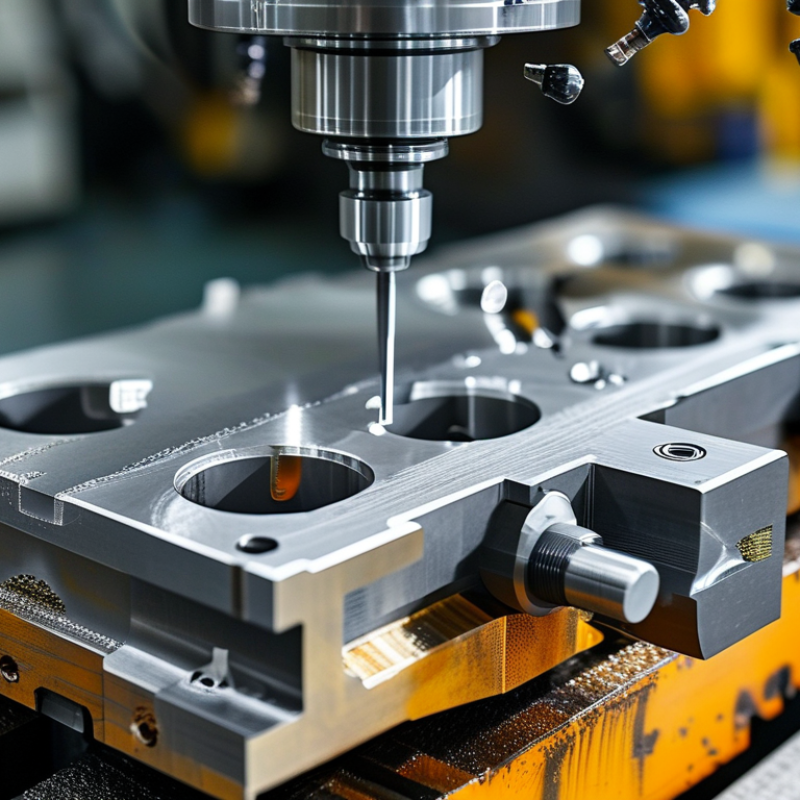
Machined metal parts are components shaped by removing material from a solid workpiece. Cutting tools create precise surfaces, holes, threads, and slots. Unlike cast parts, these components usually begin as bars, plates, or metal blocks. CNC milling moves a tool across several axes. CNC turning rotates the workpiece against a cutting tool. Drilling and grinding can refine openings and critical surfaces. A stainless steel shaft, aluminum housing, or threaded steel connector may all be machined parts. Their final accuracy depends on material behavior, tool condition, machine stability, and drawing quality.
In practical manufacturing, engineers specify dimensions, tolerances, surface finish, and inspection points before production. A shaft may require a tight diameter tolerance for a bearing fit. An enclosure may need smoother edges for safe assembly. Experienced suppliers check parts with calipers, micrometers, gauges, or coordinate measuring equipment. These checks reveal problems that visual inspection can miss. A drawing can look complete and still hide an unclear tolerance. That happens more often than expected. Machining also creates chips, tool marks, and small burrs, so finishing work may be necessary. No process is perfect. Design reviews, sample testing, and clear communication reduce avoidable mistakes.
Key Machining Technologies and Materials in 2026
In 2026, choosing a machined metal parts supplier depends less on location and more on process control. Five-axis CNC machining handles angled surfaces, deep cavities, and fewer setups. Swiss-type turning suits slender pins and miniature shafts. Wire EDM remains valuable for hardened steel profiles and narrow slots. Additive manufacturing helps prototypes, but it cannot replace stable cutting for every production batch.
Material selection also shapes machining results. Aluminum alloys reduce weight and allow fast cutting, while stainless steel offers corrosion resistance for demanding environments. Titanium provides strength with low density, but it requires careful heat control and sharp tooling. Brass machines smoothly for fittings and electrical components. Tool steel supports wear-resistant parts, though its hardness increases cycle time and tool costs. Small details matter, such as burr control around a 0.5-millimeter slot.
A reliable supplier should show practical experience, not only attractive equipment lists. Review inspection records, coordinate-measuring reports, material certificates, and lot traceability. Ask how operators manage thermal expansion during long runs. A claimed tolerance of ±0.01 millimeter may change after finishing, cleaning, or assembly. No process is perfect. I would also request a sample part, because surface marks and edge quality often reveal more than a presentation. Supplier selection should include engineering feedback, stable capacity, documented corrective actions, and clear communication when a drawing seems unrealistic.
Quality Standards, Certifications, and Inspection Processes
Choosing a machined metal parts supplier in 2026 requires more than comparing prices or delivery promises. Quality begins with a controlled management system, usually supported by ISO 9001 certification. Medical, aerospace, or automotive work may require additional standards, but the certificate must match the actual production scope. Verify its validity through the issuing registrar. A logo on a website proves little.
Reliable suppliers should provide material certificates, heat-treatment records, and batch traceability. EN 10204 3.1 documentation can confirm material chemistry and mechanical properties. Calibrated equipment matters too. Measurement systems should connect to laboratories operating under ISO/IEC 17025 principles. Ask how often gauges, micrometers, and coordinate measuring machines are checked. Small errors grow quickly.
Inspection should continue throughout production. Incoming material checks, first-article inspection, in-process measurements, and final dimensional reports create stronger evidence than one inspection at shipment. A coordinate measuring machine can verify complex profiles, while optical systems inspect threads, edges, and surface defects. Surface roughness readings are useful for sealing or sliding components. Keep the inspection data linked to lot numbers.
No inspection plan is perfect. It may miss burrs inside a deep bore or distortion after heat treatment. Good suppliers admit these limits and improve the control plan. Request sample reports, nonconformance records, corrective actions, and photographs of inspection setups. Clear answers usually reveal more than impressive claims. Audits should examine real operators, real equipment, and real records. That is where reliability becomes visible.
Pricing, Lead Times, and Supplier Selection Criteria
In 2026, machined metal pricing depends on alloy, tolerance, geometry, volume, and inspection depth. A simple aluminum bracket may cost far less than a stainless steel part requiring five-axis work. Material prices also move. The World Bank’s Commodity Markets Outlook has repeatedly shown significant annual volatility in industrial metal prices. Request itemized quotes, not one total figure. Tooling, programming, finishing, packaging, and inspection should appear separately.
Lead time needs equal attention. The Institute for Supply Management’s manufacturing reports continue to track delivery performance as a key supply-chain risk indicator. A quoted ten-day cycle may exclude material purchasing or first-article approval. Ask for each milestone. Confirm capacity during peak months. A practical RFQ should include drawings, 3D files, tolerance tables, annual demand, and acceptance standards. Missing details create expensive assumptions.
Supplier selection should balance price with process evidence. Review calibration records, material certificates, corrective-action history, and recent inspection samples. The 2024 Deloitte Global Chief Procurement Officer Survey highlights resilience and supplier risk management as major procurement priorities. That matters for small parts, too. A low quote can be a false economy. Experienced buyers also compare rejection rates and communication speed, although these figures are often poorly documented. That is a weakness worth challenging. Use a weighted scorecard: 35% quality, 25% total cost, 20% lead time, and 20% technical support. Adjust those weights when failure consequences are severe.