China Best API 6A Seal Kit Supplier How to Choose?
Choosing a China-based Api 6a Seal Kit supplier requires more than comparing prices and product photos. The seal kit must match the wellhead or Christmas tree design, pressure rating, temperature range, and service conditions. A reliable supplier should understand API Specification 6A requirements and provide clear evidence of quality control. Ask for material certificates, dimensional inspection records, pressure-test reports, and batch traceability. These documents help confirm that the sealing components are suitable for demanding oilfield applications.
Small details matter.
Check the supplier’s manufacturing equipment, inspection process, and experience with elastomers, metal seals, and backup rings. A professional manufacturer should explain compound selection for sour gas, high temperature, or corrosive environments. Communication also deserves attention. Technical answers should be specific, not copied from a general catalogue. Request drawings, packing details, lead times, and replacement guidance before placing an order. A strong supplier will also clarify whether the kit is original, equivalent, or custom manufactured.
The lowest quotation may hide limitations.
During supplier evaluation, compare testing standards, documentation quality, production consistency, and after-sales support. Factory audits, sample orders, and third-party inspections can reduce uncertainty. Still, no checklist is perfect. Seal performance may change when storage conditions, installation methods, or field fluids differ. Therefore, buyers should review the complete operating data with qualified engineers before approval. The best China Api 6a Seal Kit supplier is not simply the cheapest option. It is the partner that offers traceable products, technically honest communication, dependable delivery, and evidence supporting every important claim.
What Is an API 6A Seal Kit and Why Does It Matter?
What is an API 6A seal kit? It is a matched set of seals for wellhead and Christmas tree equipment. These parts help contain pressure around flanges, valves, outlets, and connectors. API Spec 6A defines pressure classes, product specification levels, and performance requirements for this equipment. Pressure rating alone is not enough. Material compatibility matters. Temperature cycling, trapped pressure, sour service, and assembly damage can change sealing performance. A seal may look perfect and still fail under load. That is the uncomfortable part. The IEA Oil 2024 report projects global oil demand will reach 105.4 million barrels daily by 2030. More operating hours increase the cost of small maintenance errors.
When choosing an API 6A seal kit supplier, request traceability from raw material to packing. Review material certificates, dimensional records, hardness results, and pressure-test documentation. Confirm the kit matches the exact groove, bore, pressure class, PSL, and PR requirements. Ask how the supplier controls elastomer storage. Heat, ozone, and sunlight can quietly shorten shelf life. Experienced maintenance teams also check backup seals before shutdowns, not during emergencies. A lower price can hide poor tolerances or incomplete documentation. That deserves reflection. API compliance claims should be supported by current test records, not only a certificate image. A reliable supplier explains limitations clearly and offers technical support when field conditions differ from the original design.
How to Evaluate Materials, Design, and Pressure Performance
Choosing a China API 6A seal kit supplier requires more than comparing prices. Start by examining material control. Ask for certificates showing elastomer grade, metal composition, heat treatment, and batch traceability. Seals should match the well fluid, temperature range, pressure class, and sour-service conditions. A supplier may offer excellent rubber, yet use weak backup rings. That small detail can cause failure.
Design evaluation should include groove dimensions, extrusion gaps, seal energizing method, and installation tolerance. Request engineering drawings and cross-section samples. Experienced suppliers can explain why each seal profile suits a specific API 6A equipment interface. Pressure performance also matters. Review hydrostatic test records, test duration, pressure cycles, and acceptance criteria. Do not accept a single test sheet without batch identification. Real field experience often exposes problems that laboratory results miss.
Tips: Check whether the supplier tests finished kits, not only raw materials. Confirm pressure ratings under actual temperature conditions. Ask how damaged seals are investigated. A checklist helps, but it is not perfect. I would also inspect packaging, storage dates, and installation instructions. Small omissions, such as unclear lubrication guidance, can create expensive mistakes during assembly. Compare evidence, not promises.
How to Choose a China API 6A Seal Kit Supplier
API 6A seal kits should be evaluated against the valve or wellhead’s nominal working-pressure class, temperature rating, material compatibility, sealing design, and required PSL and PR levels. The chart shows standardized API 6A nominal working-pressure classes commonly used for wellhead and Christmas-tree equipment. Select a seal kit whose documented pressure and temperature performance matches the equipment rating, and verify material certificates, dimensional conformity, traceability, and pressure-test records before purchasing.
How to Compare API 6A Seal Kit Suppliers
China Best API 6A Seal Kit Supplier: How to Choose?
Comparing API 6A seal kit suppliers requires more than checking price. API Spec 6A, 21st Edition, emphasizes pressure ratings, material classes, product specification levels, and validation requirements. Ask whether the kit matches your equipment’s PSL, PR, temperature range, and service medium. A supplier should provide material certificates, batch numbers, inspection records, and clear shelf-life information. Missing documents are a warning.
Look closely at engineering support. The seal compound must suit pressure cycling, sour service, temperature changes, and fluid exposure. ISO 14224:2016 promotes structured reliability data for equipment maintenance. Therefore, suppliers should record failure feedback and replacement intervals, not only ship parts. The 2024 IEA Oil report projects global oil demand will reach about 105.4 million barrels per day by 2030. That outlook increases the value of dependable maintenance planning. Still, demand forecasts can change.
Request sample traceability before placing a large order. Compare dimensional inspection, hardness testing, packing protection, and delivery controls. A strong supplier explains deviations instead of hiding them. I would also review technical response times, because an accurate answer after several days may still delay a shutdown. No checklist is perfect. Field conditions often expose weaknesses that laboratory documents miss. A practical trial order can reveal packaging quality, labeling accuracy, and communication discipline before critical procurement begins.
What Quality Checks Should Be Completed Before Purchase?
China Best API 6A Seal Kit Supplier How to Choose?
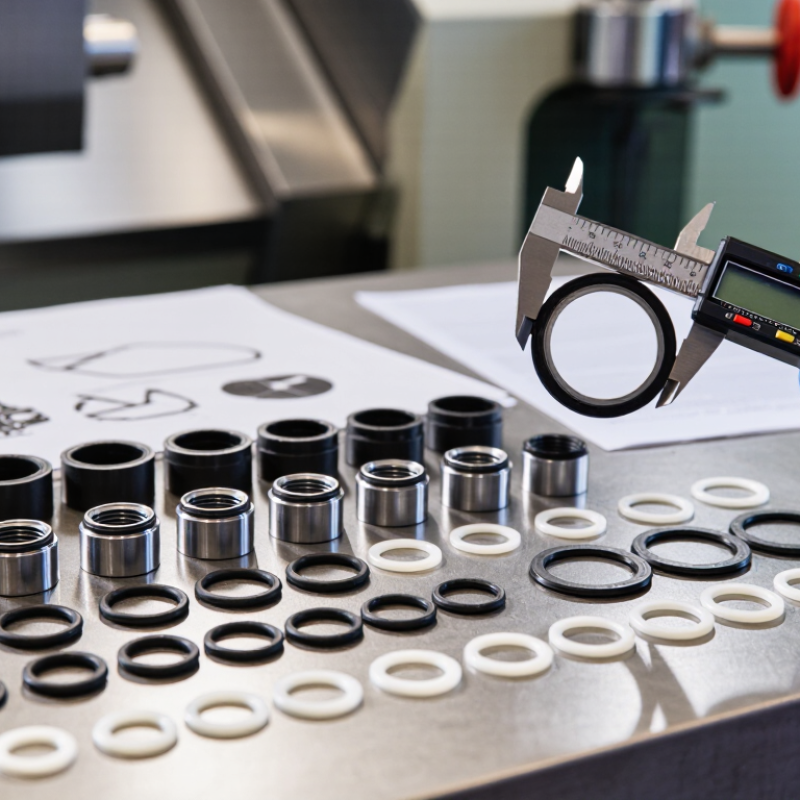
Before purchasing an API 6A seal kit, inspect the supplier’s technical records carefully. Confirm the applicable API 6A edition, pressure rating, temperature range, and performance requirements. The supplier should provide material certificates, batch numbers, and dimensional inspection reports. Check whether every seal matches the drawing, groove size, and assembly conditions. A small dimensional error can cause leakage during testing or operation.
Material compatibility also deserves close attention. Ask for compound information, hardness results, and resistance data for the actual fluids and temperatures. Verify storage life, curing dates, packaging quality, and traceability from raw material to shipment. If the kit includes backup rings, energizers, or metal parts, inspect those items separately. Do not rely only on a polished certificate. Certificates can be incomplete, and records may not reflect the latest production batch. Independent inspection or sample testing adds useful protection, though it increases cost and time.
Tips: Request a pre-shipment inspection with photographs and measured values. Compare one sample against the approved drawing. Ask how nonconforming parts are controlled. Clarify replacement terms before payment. A checklist helps, but it is not perfect. Recheck critical dimensions after delivery, especially when the equipment has a long service history or unusual operating conditions.