How to Choose the Best Flexo Printer for Your Business Needs?
In today's packaging industry, selecting the right Flexo Printer can significantly impact business success. According to a report by Smithers Pira, the global flexographic printing market is projected to exceed $30 billion by 2025, showcasing its growing importance. Flexo Printers are crucial for high-speed production and versatile print applications.
Industry expert John McCarthy emphasizes, "The choice of a flexo printer should align with a company’s unique needs." This highlights the necessity of thorough evaluation when considering options. Various factors, such as print quality, machine size, and operational costs, play significant roles in this decision.
Yet, many businesses overlook the importance of scalability and support services. As companies grow, their printing requirements may evolve. Investing in a Flexo Printer that lacks adaptability can hinder future success. Thus, understanding both current and future needs is vital. Exploring different models and considering long-term goals will ultimately lead to smarter investments.
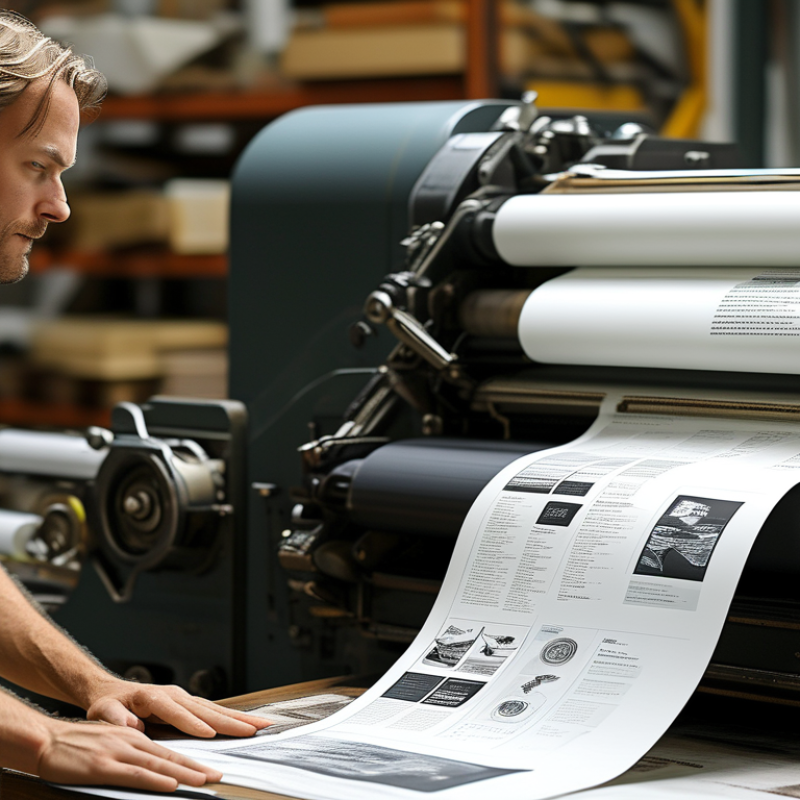
Assessing Your Business Requirements for Flexo Printing Solutions
When choosing a flexo printer, understanding your business needs is crucial. Start by assessing the types of materials you will print on. Different substrates require different ink types and printing technologies. Evaluate whether you will print on plastic, paper, or other materials. This can significantly impact the performance of the printer you select.
Consider the volume of production as well. Are you a small business needing occasional prints, or do you manage high-volume orders? A printer that excels in high-speed printing may be necessary for larger runs, while smaller operations might opt for versatility and compact size.
Another factor to reflect on is the desired print quality. Some printers offer superior resolutions and color accuracy. This could be essential if your branding relies on vibrant visuals. Identify if your team has experience with these devices. Training might be necessary, which adds to overall costs. It's essential to weigh all these aspects carefully. Each decision can influence efficiency and costs in the long run, highlighting the importance of a thorough needs assessment.
Understanding Different Types of Flexo Printers and Their Capabilities
When selecting a flexo printer, understanding the different types is crucial. Flexo printers generally fall into three categories: CI (central impression), inline, and stack printers. CI printers are known for their efficiency in producing high-quality prints at faster speeds. They work well for long runs but may require significant initial investment. Inline printers are versatile and can handle various substrates, making them ideal for smaller jobs. Stack printers, while less common, excel in high-volume tasks with simpler applications.
Tips for choosing a flexo printer: Consider your production volume. If you anticipate a higher output, a CI printer may suit your needs better. Evaluate the range of materials you’ll print on. Some printers handle only certain types of materials. Also, think about the maintenance. Different printers have varying requirements. Ensure you can commit to any upkeep needed.
In terms of capabilities, you’ll find printers with advanced features like automated registration systems. These systems can improve accuracy and reduce waste. However, the complexity might require additional training for your team. Remember to weigh the potential learning curve against the benefit of increased efficiency. Balancing these elements is key for making a well-informed decision.
Evaluating Print Quality: Key Metrics and Benchmarks in Flexo Printing
Evaluating print quality in flexo printing requires a keen understanding of several crucial metrics. Color consistency is one of the primary benchmarks. It directly impacts the overall look of the printed material. Variability can occur due to inconsistent ink viscosity or improper anilox roller selection. Businesses should monitor color accuracy regularly to ensure reliable output and meet customer expectations.
Another important metric is the sharpness of the print. This can be assessed by examining the edge definition of images and text. Blurry or jagged edges indicate potential problems with plate quality or press settings. Regular testing on different substrates can provide valuable insights. Print process adjustments, such as pressure settings, need careful observation to enhance sharpness.
In addition to color and sharpness, ink transfer is essential. Variations in ink transfer can lead to undesirable results. Businesses should establish benchmarks to monitor ink density and coverage. Inconsistent ink layers may require reflection on plate cleaning procedures and press maintenance. Addressing these issues promptly ensures higher print quality and efficiency in production.
Cost Analysis: Initial Investment vs. Long-Term Savings in Flexo Printing
When evaluating the cost of a flexo printer, initial investments often take center stage. The upfront costs include not just the purchase price, but also installation, training, and setup. Many businesses might focus on these numbers but overlook the long-term savings that flexo printing can provide. Efficient printing processes can significantly reduce material waste and energy consumption, leading to lower operational costs over time.
Moreover, maintenance costs are a critical factor. Some printers may require more frequent servicing, increasing the overall expenditure. However, investing in robust machinery can pay off in durability and efficiency. Additionally, the versatility of flexo printing can open new revenue streams. It allows businesses to diversify their product offerings, which can enhance profit margins with the right strategies.
Analyzing long-term savings is just as crucial as scrutinizing initial prices. Every choice comes with trade-offs. A higher initial investment might yield greater savings down the line. Businesses should consider their specific needs and use cases while weighing upfront costs against potential financial benefits. Reflecting on these aspects can ensure a more informed decision when selecting the right flexo printer.
Exploring the Importance of Brand Reputation and Support Services in Selection
When selecting a flexo printer for your business, brand reputation plays a vital role. It's essential to consider a manufacturer’s history and customer feedback. A 2022 survey indicated that over 70% of buyers prioritize reputation when making purchasing decisions in the printing industry. Businesses gravitate towards companies known for quality and reliability. Manufacturers with a solid track record often provide deeper insights into their product performance and customer satisfaction.
Another crucial factor is support services. Reliable customer support can minimize downtime and enhance productivity. According to a recent industry report, 65% of printing businesses experienced delays due to inadequate support. Efficient training programs and technical assistance directly correlate with overall operational success. Many companies find that a responsive support system not only aids in troubleshooting but also contributes to long-term business growth and sustainability. It’s important for businesses to assess the level of service options each vendor offers.