How to Choose the Best Triangular Screen Supplier in China?
Choosing a Triangular Screen supplier in China requires more than comparing prices or browsing product photos. The screen’s wire profile, opening size, material, and panel dimensions must match the equipment and the material being processed. A small mismatch can affect screening performance, shorten service life, or create fitting problems during installation.
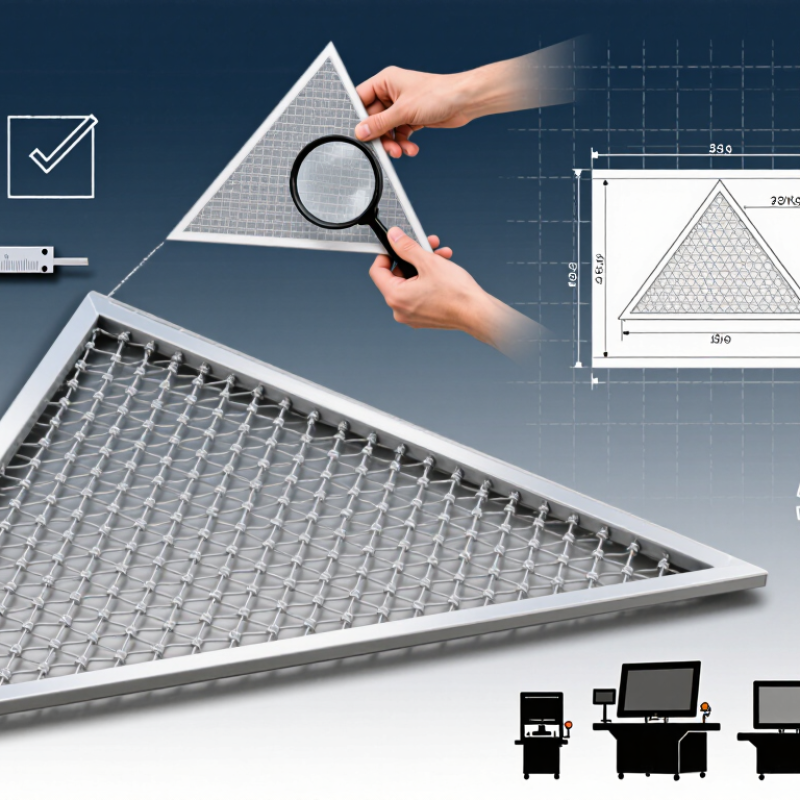
That sounds simple. It isn’t always. Product descriptions may use similar terms while referring to different specifications. Ask suppliers to confirm wire diameter, aperture tolerance, material grade, panel dimensions, and compatible machine models in writing. Request drawings or a sample when practical, and check whether the sample reflects the proposed production specification. A close-up inspection can reveal details that a catalog image may hide, including uneven openings or inconsistent wire joins.
Quality claims deserve evidence. Look for clear inspection procedures, traceable material information, and realistic production timelines. Ask how the supplier handles dimensional checks and what happens if delivered panels do not match the confirmed order. Communication matters, too. A precise answer to a technical question is more useful than a fast but vague reply. Still, no single document guarantees consistent results.
This guide explains how to compare Chinese suppliers using specifications, manufacturing capability, quality checks, samples, and communication. It also highlights questions worth asking before placing an order. The aim is not to declare one supplier best for every buyer. It is to help you judge fit, verify important details, and make a more confident decision.
Understanding Triangular Screens and Their Application Requirements
A triangular screen uses shaped openings or profile wires to separate material by size while allowing finer particles to pass through. Its performance depends on the opening shape, wire spacing, and screen tension. Small differences matter. A panel that looks suitable in a sample may behave differently once exposed to vibration, wet feed, or abrasive stone.
Define the job before comparing suppliers in China. Record the particle-size range, expected throughput, moisture level, and operating temperature. For example, damp sand can blind openings, while sharp aggregate can wear contact points quickly. Ask whether the screen must fit an existing deck; measure its length, width, thickness, fastening points, and tensioning method. Material choice also matters. Stainless steel may suit corrosive or washdown conditions, while other alloys can be more practical for dry, abrasive service.
Request drawings, opening tolerances, material specifications, and sample inspection details. Ask how the supplier checks wire spacing and panel flatness, and whether they can provide a trial piece for your actual feed. A neat catalogue image proves little. I have seen buyers overlook cleaning access and replacement time; these details are easy to miss, but they affect downtime. Compare proposed specifications against your equipment and operating conditions, not just the quoted price.
Defining the Specifications for Your Screening Project
How to Choose the Best Triangular Screen Supplier in China?
Defining the Specifications for Your Screening Project
Before requesting quotations, describe the material and the job. Record feed size, target separation, moisture, bulk density, and hourly throughput. Specify the triangular opening’s dimensions, wire diameter, panel size, fastening method, and screen-deck angle. A nominal aperture alone is not enough; two panels with the same opening can behave differently when wire thickness or open area changes. Small details matter.
The scale of aggregate processing makes these choices practical, not cosmetic. The USGS Mineral Commodity Summaries 2024 estimated U.S. crushed-stone production at about 1.5 billion tons in 2023. For a project handling abrasive rock, ask suppliers to state expected wear life and the conditions behind that estimate. Request drawings, material specifications, and test results for comparable feed. Then test it. A sample run can reveal blinding, uneven flow, or missed fines before a full order.
Share actual feed gradation data, not just a broad label such as “gravel.” Include the machine model, deck dimensions, and any limits on panel thickness or installation time. Ask how the supplier checks aperture consistency across a finished panel. I would also leave room for revision: moisture changes, and field measurements are not always tidy. Agree on a trial quantity and measurable acceptance criteria before confirming production.
Assessing Supplier Experience, Production Capacity, and Quality Control
China’s triangular-screen suppliers should be judged by evidence from similar operating conditions, not brochure claims. USGS estimated global iron-ore mine production at about 2.5 billion metric tons in 2023 (Mineral Commodity Summaries 2024). Ask for comparable installation records, screen dimensions, operating hours, and wear data. Years in business matter less than documented performance with wet, abrasive feed. Details count.
Check production capacity on the factory floor: active welding stations, mesh-forming equipment, inspection staff, and realistic monthly output. Request a schedule for a trial order and peak-season delivery, then compare it with staffing and maintenance downtime. An impressive production line can still hide a bottleneck. Ask how urgent replacement panels are handled.
Quality control should cover wire diameter, aperture tolerance, panel flatness, weld integrity, and coating thickness where applicable. Request batch-linked inspection records and relevant load or fatigue-test methods. ISO’s 2022 Survey reported over 1.2 million ISO 9001 certificates worldwide. That is useful context, not proof that every screen meets specification. Keep a sample for incoming checks. Revisit acceptance limits after the first month; early wear can expose assumptions that paperwork missed.
Comparing Pricing, Customization, and Delivery Options
When comparing triangular screen suppliers in China, request quotations against the same specification. Include panel dimensions, opening size, wire material, edge treatment, and expected operating conditions. Otherwise, two prices may describe very different products. A lower quote is not automatically a poor choice, but ask what it excludes.
Customization affects both cost and fit. Share a drawing or a worn sample, then confirm tolerances, mounting details, and whether the supplier can produce a trial panel. Ask how changes to wire diameter or opening size may affect screening performance and service life. Get the agreed specifications in writing. Small details matter.
Delivery deserves equal attention. Ask for the production lead time, packaging method, and shipping estimate, and clarify when the timeline begins. For a first order, request progress photos or an inspection record before dispatch. A sample can help, though it may not reveal every issue in full production. Supplier comparisons are rarely perfect; I would track price, customization, and delivery in one simple table, then investigate any unusually attractive offer.
Verifying Compliance, Samples, and Supplier Terms Before Ordering
A reliable triangular screen order starts with verifiable documents, not polished promises. Ask the supplier to identify the material grade, mesh dimensions, production location, and inspection method. Request current test reports or conformity documents relevant to your destination market and application. Check that document dates and product details match the screen you plan to buy. Paperwork matters. A certificate for a different product offers little assurance.
Samples reveal details spreadsheets miss. Request a piece or complete panel made with the same wire diameter, aperture, edge treatment, and material as your order. Measure openings at several points, inspect welds or joints, and record dimensions before installation. If possible, trial the sample under normal operating conditions and note wear, blockage, or fit. One sample cannot prove consistent production. Ask how batch checks are recorded.
Put supplier terms in writing before paying a deposit. Specify drawings, tolerances, quantity, packaging, delivery schedule, and what happens if goods fail inspection. Clarify who pays replacement freight and how claims should be documented. Confirm payment milestones and shipping responsibilities in plain language. Keep approved sample photos and signed specifications together. Even careful checks can miss a mismatch, so review the final quotation line by line.