What Is a Metal Polishing Machine?
A Metal Polishing Machine is more than a rotating tool with abrasive wheels. It is a controlled production system for improving surface appearance, reducing roughness, and preparing metal parts for plating, coating, or final use. In a workshop, its value appears in small details: consistent edge treatment, fewer visible scratches, and a cleaner reflection under inspection lighting.
Industry reports show why this equipment matters. Grand View Research’s 2024 metal finishing market analysis links market growth with automation, tighter quality requirements, and rising demand for durable components. Fortune Business Insights’ 2024 surface treatment market report also identifies manufacturing efficiency and repeatable finishing as important competitive factors. However, these reports often combine polishing with broader finishing technologies. Their figures should not be treated as exact sales data for every Metal Polishing Machine.
Dr. Jeffrey A. Badger, a recognized grinding-process specialist, has stated, “Grinding is a science, not an art.” The principle applies here. Operators must match abrasive type, wheel speed, pressure, coolant, and material hardness. A stainless-steel panel may need a different process from an aluminum casting. One careless pass can create heat marks or uneven gloss.
This guide examines machine types, polishing methods, operating costs, safety practices, and selection criteria. It also questions a common assumption: higher speed does not always mean better finishing. Real performance depends on control, maintenance, operator experience, and measurable surface results.
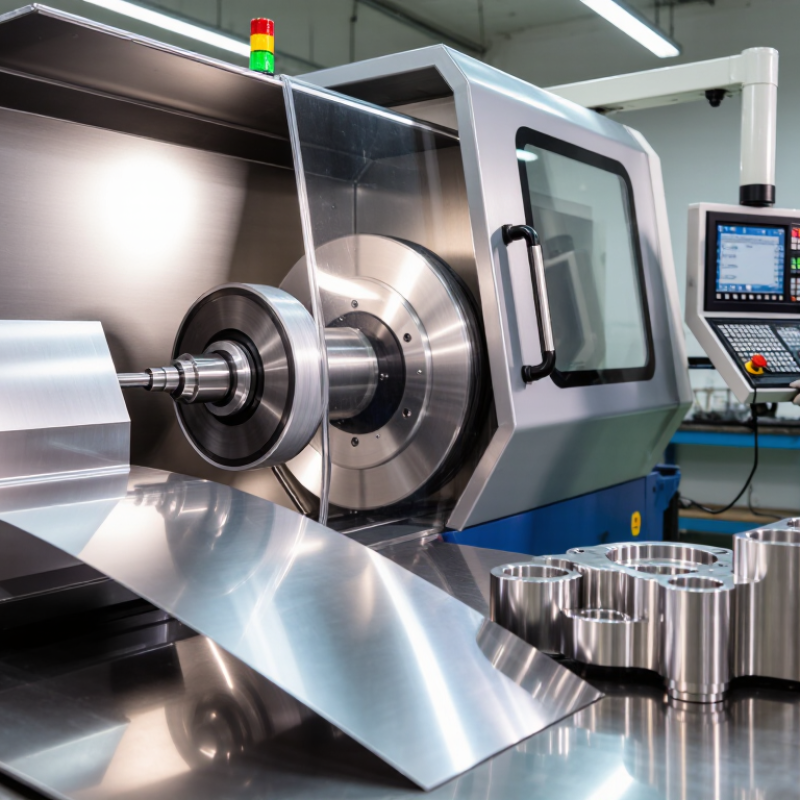
Definition and Basic Purpose of a Metal Polishing Machine
What Is a Metal Polishing Machine?
A metal polishing machine is equipment designed to refine, smooth, and improve the surface of metal parts. Its basic purpose is to remove scratches, burrs, oxidation, and uneven marks left by cutting or forming. Some machines use rotating wheels, while others use abrasive belts, brushes, or polishing pads. The correct system depends on the metal type, part shape, and required finish. Not every machine fits every task.
In a typical workshop, an operator secures the workpiece before selecting an abrasive grade. Coarser materials remove visible defects, while finer materials create a smoother surface. Polishing compounds can improve brightness and reduce small surface lines. The process may also prepare parts for painting, coating, or inspection. Small components often need careful positioning because they can catch unexpectedly. Keep pressure even.
Good results require control, measurement, and practical experience. Material hardness, edge shape, speed, and contact pressure all affect the final appearance. Excessive pressure can create heat, discoloration, or unwanted rounding. I have seen a bright finish hide a shallow dent. That mistake needs reflection. A polished surface is not automatically a better part. Operators should use suitable guards, eye protection, and dust control. Regularly checking wheels, belts, and workholding improves reliability. A test piece can reveal problems before valuable parts enter production.
Main Components and How the Machine Works
A metal polishing machine combines controlled motion, abrasive contact, and operator adjustment. Its main components usually include an electric motor, drive spindle, polishing wheel, work rest, protective guard, and control panel. Some models also use a coolant system or dust extraction unit. Each part affects the final surface.
The motor creates rotational power. A belt or direct drive transfers this power to the spindle. The spindle turns the polishing wheel at a controlled speed. The operator presses the metal part gently against the wheel’s working area. Abrasive compounds remove scratches and create a smoother surface. Coarser compounds cut quickly, while finer compounds produce a brighter finish.
Pressure matters greatly. Too much force can overheat the metal, round sharp edges, or leave uneven marks. Too little pressure wastes compound and increases polishing time. I have found that small adjustments often work better than constant pressure. Slow movement helps maintain an even finish. Keep the part moving.
The work rest supports smaller components and improves control. Guards reduce contact risks around rotating parts. A clean wheel also matters because trapped particles can scratch the surface. Operators should inspect the spindle, wheel, cables, and guards before use. One detail is easy to overlook: different metals respond differently to heat and abrasives. Aluminum may load the wheel quickly, while stainless steel can require more patience. The “perfect” setting is rarely universal, so test a small area and reassess the process.
Different Types of Metal Polishing Machines
What Is a Metal Polishing Machine?
Different Types of Metal Polishing Machines
A metal polishing machine removes scratches, oxidation, burrs, and uneven texture from metal surfaces. It uses controlled friction, abrasive media, or polishing compounds. The final finish depends on the metal, abrasive grade, pressure, and machine speed. A mirror finish needs more stages than a simple satin finish. Small changes matter.
Belt polishing machines use abrasive belts for flat sheets, tubes, and visible edges. They remove material quickly and suit repair or fabrication work. Rotary polishing machines use wheels, brushes, or pads for curved parts and detailed surfaces. They offer flexibility, but operators must control pressure carefully. Too much pressure can create heat marks. Vibratory finishing machines polish many small parts inside a vibrating bowl or tub. Ceramic or plastic media reaches recessed areas, although delicate components may need separation. Centrifugal machines work faster by combining rotation and stronger media contact. They are useful when production time is limited.
Each type has practical weaknesses. Belt systems may leave directional lines. Vibratory systems can round sharp edges. Rotary tools require steady hand movement, and mistakes show immediately. Electropolishing equipment uses an electrical process to smooth suitable metal surfaces, but it requires precise process control. In a workshop, I would inspect sample parts before choosing equipment. Check part size, geometry, surface requirements, noise, dust control, and operator training. A polished sample can look convincing under bright light, yet reveal swirl marks from another angle. That detail is easy to miss.
What Is a Metal Polishing Machine?
Metal polishing machines use abrasive belts, wheels, media, or electrochemical action to improve surface smoothness and appearance. The chart shows representative final surface-roughness ranges for common machine types. Actual results vary with the metal, abrasive, pressure, speed, and process settings.
Common Materials, Applications, and Industries
What Is a Metal Polishing Machine?
Common Materials, Applications, and Industries
A metal polishing machine uses rotating wheels, abrasive belts, compounds, or brushes to refine a metal surface. It removes scratches, burrs, oxidation, and uneven tool marks. The result may be satin, brushed, or mirror-like. Stainless steel is common, but aluminum, brass, copper, and titanium also require different speeds and abrasives. Hard alloys can overheat quickly. That detail matters.
In workshops, these machines prepare automotive trim, aircraft components, cookware, medical instruments, rail parts, and architectural panels. Food-processing equipment often needs smooth stainless steel surfaces because fewer grooves can hold residue. Medical components demand controlled finishing and careful cleaning. Aerospace work prioritizes dimensional accuracy, traceability, and heat control. A bright finish can hide a shallow defect, so inspection should include angled light and touch. Polishing is not simply making metal shiny. It is a controlled surface process, and operators sometimes choose an attractive finish that does not suit the part’s function.
Tips:
Match the abrasive to the metal. Use light pressure first. Check the surface often. Keep aluminum tools separate from steel dust. Wear eye, hearing, and respiratory protection. Follow the machine’s safety instructions. A small test area can prevent an expensive mistake.