China Top 10 Heparin Tube Manufacturers for Global Buyers
China Top 10 Heparin Tube Manufacturers for Global Buyers offers a practical starting point for international procurement teams. Heparin Tubes support plasma collection in clinical chemistry, molecular testing, and emergency diagnostics. Their performance affects sample quality, laboratory efficiency, and patient results.
This guide examines manufacturers through measurable factors, not attractive catalog images alone. We consider tube materials, lithium heparin coating, additive uniformity, vacuum stability, sterility, and closure quality. Production experience also matters. A reliable supplier should provide clear technical files, batch records, certificates, and responsive quality support.
Details matter greatly.
Export capability is another important measure. Buyers should review packaging protection, labeling accuracy, lead times, and private-label options. A manufacturer may offer competitive pricing but lack consistent lot control. That weakness can create avoidable problems during high-volume testing. We also consider communication, sample evaluation, and after-sales responsibility before presenting any company as a leading option.
No ranking is permanently perfect. Manufacturing capacity, certifications, and product specifications can change. Some information may require direct confirmation from the supplier. This guide therefore encourages buyers to request recent documents, inspect samples, and compare performance under real laboratory conditions. Experienced procurement teams understand that the cheapest Heparin Tubes may not deliver the lowest total cost. Stable supply, dependable testing results, and transparent cooperation usually deserve greater attention.
What Heparin Tubes Are and Why Global Buyers Use Them
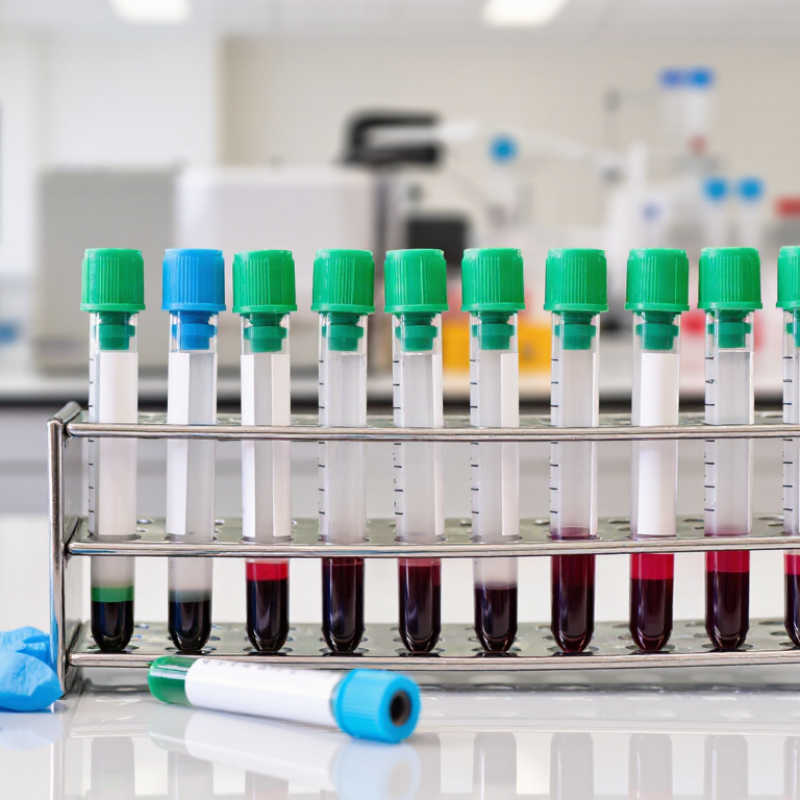
Heparin tubes are blood collection tubes designed to limit clot formation after venipuncture. Their inner walls contain lithium or sodium heparin, usually as a coating or dry additive. This anticoagulant preserves plasma for many chemistry, electrolyte, and selected diagnostic tests. The tube often has a green cap, although color conventions can vary by market.
Global buyers use heparin tubes because plasma processing is generally faster than serum preparation. After collection, laboratories can centrifuge the sample without waiting for clot formation. This matters in emergency departments, hospital laboratories, and high-volume testing centers. Reliable tubes also support cleaner workflows, consistent fill volumes, and safer sample handling. Small details matter here.
For buyers comparing Chinese manufacturers, product quality should be verified through documented production controls, batch traceability, packaging checks, and relevant quality certifications. Confirm the additive type, tube material, vacuum tolerance, shelf life, and compatibility with laboratory analyzers. Shipment conditions deserve attention too; extreme heat can affect packaging and performance. A practical lesson is simple: lower pricing does not compensate for inconsistent plasma quality. Heparin tubes are not universal, and unsuitable use may interfere with particular assays. Buyers should review the manufacturer’s instructions and validate samples before large-scale purchasing. Mistakes happen, even with experienced teams.
China Top 10 Heparin Tube Manufacturers for Global Buyers - What Heparin Tubes Are and Why Global Buyers Use Them
Manufacturer-neutral reference table of commonly supplied heparin tube configurations
| No. | Common Tube Configuration | Anticoagulant | Typical Volume | Specimen Obtained | Common Laboratory Applications | Typical Cap Color | Key Buyer Considerations |
| 1 | Standard plasma tube | Lithium heparin | 3–5 mL | Plasma | Routine chemistry, electrolytes and selected immunoassays | Green | Widely compatible with automated chemistry workflows; verify analyzer requirements. |
| 2 | Plasma separator tube | Lithium heparin plus separator gel | 3–5 mL | Gel-separated plasma | Routine clinical chemistry and transport of separated plasma | Light green | The gel barrier can simplify handling; confirm gel suitability for the intended test menu. |
| 3 | Sodium heparin plasma tube | Sodium heparin | 3–5 mL | Plasma | Specialized chemistry and tests where sodium heparin is specified | Green | Avoid when measured sodium may be affected or when the laboratory method requires lithium heparin. |
| 4 | Lithium heparin tube for blood gas testing | Balanced lithium heparin | 1–3 mL | Whole blood or plasma, depending on the analyzer | Selected blood gas, electrolyte and critical-care measurements | Green | Heparin balance and low dead volume are important for point-of-care testing. |
| 5 | Pediatric lithium heparin tube | Lithium heparin | 0.5–2 mL | Plasma | Pediatric and geriatric chemistry testing where small draw volume is required | Green | Check minimum fill volume, tube dimensions and compatibility with the centrifuge. |
| 6 | Micro-collection heparin tube | Lithium or sodium heparin | 0.2–0.8 mL | Small-volume plasma | Capillary or limited-volume chemistry testing | Green | Suitable for low-volume collection; mixing and sample recovery require careful handling. |
| 7 | Trace-element compatible heparin tube | Low-metal or certified sodium heparin | 2–6 mL | Plasma | Selected trace-element and toxicology workflows | Green or specialty-marked | Use only with documented contamination-control data and laboratory approval. |
| 8 | Evacuated PET heparin tube | Lithium or sodium heparin | 2–10 mL | Plasma | High-throughput clinical laboratory collection | Green | PET offers shatter resistance and low weight; validate vacuum stability and transport performance. |
| 9 | Glass heparin tube | Lithium or sodium heparin | 2–10 mL | Plasma | Laboratories requiring glass collection materials or established legacy workflows | Green | Glass may provide a rigid surface but increases breakage and shipping considerations. |
| 10 | Custom-label heparin tube for export supply | Lithium or sodium heparin, according to specification | 1–10 mL | Plasma or whole blood, depending on the intended use | Private-label distribution, hospital procurement and regional laboratory programs | Green or light green | Confirm labeling language, regulatory registration, packaging, lot traceability and shelf life. |
Note: Tube colors, draw volumes, additive concentrations and centrifugation conditions can vary by specification and market. Buyers should verify the product instructions for use, applicable regulatory requirements and analyzer validation before routine use.
How to Evaluate Heparin Tube Manufacturers in China
Choosing among China’s top heparin tube manufacturers requires more than comparing prices. Examine ISO 13485 certification, production records, and quality-control procedures. Ask how each lot is tested for anticoagulant uniformity, tube integrity, and additive stability. A reliable manufacturer should provide traceability from raw materials to finished cartons. Request recent inspection reports, not only polished brochures.
Review the tube design closely. Confirm the material, internal volume, vacuum accuracy, cap seal, and recommended blood-to-heparin ratio. Small differences can affect sample quality during transport and laboratory testing. Check whether the manufacturer validates sterilization and packaging under realistic shipping conditions. Experience matters here. However, export experience alone does not prove consistent performance.
Tips: Order samples from several manufacturers. Test them with your routine collection process. Compare clot prevention, labeling clarity, leakage resistance, and performance after simulated transport. Visit the facility when possible, or arrange a documented remote audit. Ask difficult questions about rejected lots and corrective actions. A supplier that admits occasional failures may be more trustworthy than one claiming perfection. Still, a sample review is only a beginning; production consistency can change after scale-up. Keep written specifications, approval criteria, and communication records before placing larger orders.
China’s Top 10 Heparin Tube Manufacturers Compared
China’s top 10 heparin tube manufacturers are not identical in capability. A practical comparison should examine coating consistency, tube clarity, vacuum stability, and lot-to-lot control. These details affect plasma quality during routine chemistry testing.
Several suppliers focus on high-volume production and competitive pricing. Others offer tighter customization, smaller trial orders, or stronger export documentation. Manufacturing experience matters here. A reliable producer should show validated sterilization records, calibrated filling equipment, and traceable raw materials. Buyers should also check whether the heparin concentration remains consistent across batches. Small deviations can influence sensitive assays.
Packaging creates another clear difference. Some factories use sturdy trays that protect tube walls during long-distance transport. Others provide simpler packaging, which may reduce cost but increase breakage risk. Delivery performance deserves equal attention. A low unit price is less useful when production schedules shift without warning. Samples can reveal stopper fit, label adhesion, blood mixing, and centrifugation performance. Test them under real laboratory conditions. The strongest manufacturers usually combine process control with responsive technical support. Yet no supplier is perfect. Public product claims may not explain every limitation, and comparison data can be incomplete. Buyers should request current certificates, inspection reports, and sample records before placing large orders. A careful assessment is better than trusting a polished catalogue.
Key Product, Quality, and Compliance Factors for Importers
For global buyers, heparin tube selection begins with specimen performance, not catalogue appearance. Lithium-heparin tubes are widely used for plasma chemistry and urgent testing. Buyers should verify additive concentration, tube size, vacuum accuracy, fill volume, and compatibility with laboratory analyzers. Spray-dried heparin can reduce additive distribution problems, but only when coating uniformity is controlled. Small details matter.
WHO reports that approximately one in ten patients experiences harm in healthcare, making reliable diagnostics essential. ISO 6710 specifies requirements for single-use containers used to collect venous blood specimens. Strong manufacturers should also provide ISO 13485 certification, validated sterilization records, biocompatibility evidence, and lot-level traceability. Ask for data on hemolysis, leakage, tube aging, and centrifugation performance. A certificate helps, but it does not prove every shipment.
Importers should request samples from several production lots and test them under local transport conditions. Check whether labels remain readable after refrigeration and whether vacuum remains stable after storage. Regulatory documents must match the actual factory, product code, and manufacturing site. Some suppliers present broad certificates with limited product coverage. That deserves caution. Independent audits are valuable, though they are not perfect either. A practical scorecard should combine product results, complaint response time, change-control records, packaging quality, and delivery consistency. Tiny gaps become costly.
How to Select and Purchase the Right Chinese Supplier
Selecting a Chinese heparin tube supplier requires more than comparing prices. Confirm the tube type, additive concentration, material, draw volume, and closure design. These details affect sample handling and laboratory accuracy. Request current quality certificates, production records, and traceability procedures. A supplier should explain how it controls raw materials, sterilization, labeling, and batch release.
Ask for samples before placing a large order. Check tube dimensions, cap fit, vacuum performance, label adhesion, and packaging strength. Test the tubes with your own blood collection process when possible. A supplier may provide attractive samples, yet production batches can differ. This is easy to overlook. Review manufacturing capacity, inspection equipment, complaint handling, and export experience. Clear technical answers matter more than polished brochures.
Tips: Compare at least three suppliers using the same specification sheet. Ask for a pre-shipment inspection and retain approved samples. Verify ISO 13485 or other relevant certifications through reliable records, not screenshots alone. Confirm carton markings, shelf life, storage conditions, lead time, payment terms, and replacement procedures in writing. Include the exact additive type and acceptance criteria in the purchase contract. Some buyers focus heavily on unit cost. That can become an expensive mistake. Supplier selection should balance compliance, consistency, communication, and total purchasing risk.
China Top 10 Heparin Tube Manufacturers for Global Buyers: Selecting the Right Supplier
This chart shows common nominal draw-volume options for heparin blood collection tubes. Buyers should confirm tube material, additive concentration, sterility, closure type, packaging, and applicable regulatory documentation with each supplier.
The listed volumes represent commonly used laboratory tube formats, including pediatric, routine chemistry, and larger-volume plasma collection tubes. Actual specifications may vary by product configuration.