What Are China Top 10 Electric Scooter Manufacturers?
China has become a major hub for electric scooter production, serving commuters, rental operators, distributors, and personal mobility users worldwide. This article explores China’s top 10 Electric Scooter Manufacturers and examines what makes each company noticeable in a competitive market.
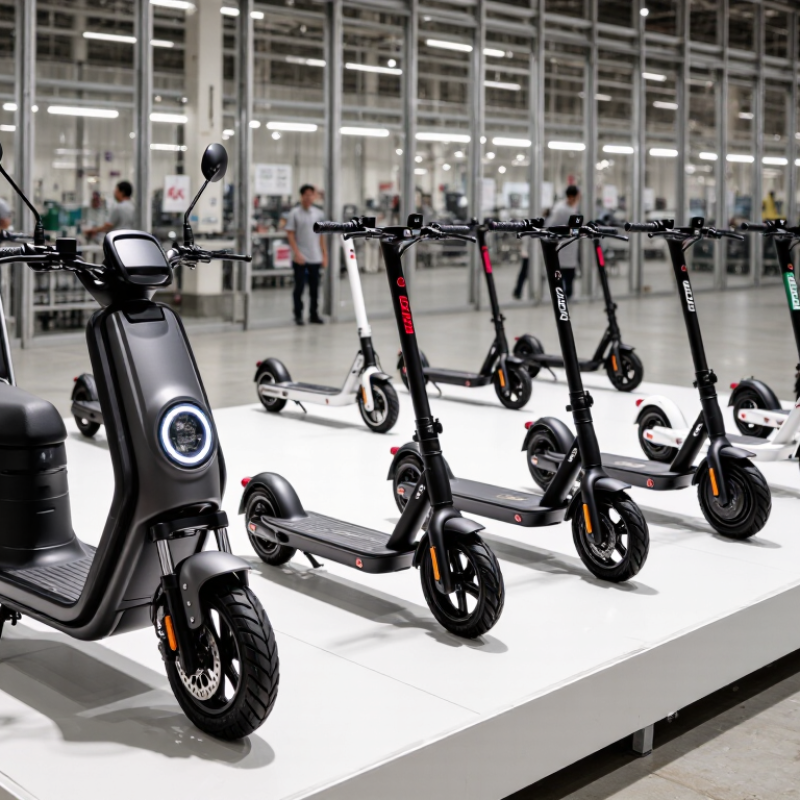
The evaluation considers manufacturing experience, product range, battery systems, safety testing, quality control, customization, and after-sales support. Factory capacity also matters. A polished showroom can look impressive, but production consistency often tells a different story. Details such as motor performance, frame strength, waterproofing, braking response, and spare-parts availability deserve careful attention.
Real purchasing decisions involve more than price. An experienced Electric Scooter Manufacturer should explain specifications clearly, provide traceable product information, and communicate realistic delivery timelines. Certifications and testing records can support trust, although they should not replace independent verification. Buyers should also review warranty terms, service networks, and local compliance requirements before placing an order.
Not every manufacturer performs equally well in every category. Some may excel at high-volume production, while others focus on premium design, fleet solutions, or compact urban models. The ranking may also change as technology, export markets, and customer expectations develop. That limitation matters.
This guide offers a practical starting point rather than an absolute verdict. It is designed to help importers, retailers, and business buyers compare capabilities with greater confidence. Careful research remains essential.
What Defines China’s Electric Scooter Manufacturing Industry?
What Defines China’s Electric Scooter Manufacturing Industry?
China’s electric scooter industry is defined by scale, dense suppliers, and fast product iteration. The China Bicycle Association reported more than 42 million electric bicycles produced in 2023. That figure does not represent scooters alone, but it shows the manufacturing depth behind China’s wider light-electric mobility sector. Motors, controllers, battery packs, frames, displays, and braking systems can often be sourced within one industrial region. This shortens development cycles.
Cost is important, but it is not the whole story. Grand View Research estimated the global electric scooter market at over 30 billion US dollars in 2023. Chinese manufacturers compete through flexible production, testing capacity, and export experience. Many factories can adjust deck sizes, motor ratings, lighting systems, and battery configurations for different markets. Quality control now includes battery protection, waterproof testing, braking distance, and charger compatibility. Small details matter.
The industry still has weaknesses. Product specifications are not always reported consistently, making comparisons difficult. The boundary between electric bicycles, scooters, and personal mobility devices also remains unclear. This is a problem. A 2024 IEA report highlighted the rapid expansion of electric two- and three-wheelers, especially in Asian markets, but category definitions vary by country. Therefore, a reliable ranking should examine certification records, factory audits, warranty data, and delivery performance, not advertising claims alone. Low prices attract buyers; repeatable safety and durability build trust.
How the Top 10 Chinese Electric Scooter Manufacturers Are Selected
Selecting China’s top 10 electric scooter manufacturers requires more than checking sales rankings. The process begins with factory experience, production capacity, and documented export history. Public company records, trade data, technical documents, and distributor feedback provide the first evidence. However, public information is sometimes incomplete.
Product testing carries significant weight. Reviewers examine battery performance, motor output, braking response, frame strength, lighting, and water resistance. A practical inspection may include repeated starts, hill climbs, emergency stops, and charging checks. Measurements matter. Marketing language alone does not.
The selection also considers manufacturing consistency. Auditors may inspect welding points, cable routing, battery protection, quality-control records, and spare-parts systems. Compliance with relevant market standards is essential, but certificates should be verified through reliable documentation. After-sales support, warranty clarity, delivery reliability, and communication quality also influence the ranking.
User experience adds another layer. Long-term reports can reveal loose stems, fading displays, or difficult repairs after several months. Still, online reviews may be biased or too limited. This is a weakness worth admitting. A manufacturer with fewer reviews is not automatically less capable. Rankings therefore combine measurable evidence with professional judgment, while allowing room for future correction.
How the Top 10 Chinese Electric Scooter Manufacturers Are Selected
Editorial evaluation weights used to compare manufacturers without displaying company or brand data.
The ranking framework emphasizes manufacturing capacity and quality compliance, while also considering export experience, product diversity, OEM/ODM capability, research and development, and after-sales support. The weights total 100% and are intended as a transparent comparison model.
Profiles of China’s Leading Electric Scooter Manufacturers
What Are China Top 10 Electric Scooter Manufacturers?
China’s leading electric scooter manufacturers differ in design focus, production scale, and quality control. One specializes in compact commuter scooters with folding frames and low charging demands. Another develops long-range models, using larger battery packs and reinforced deck structures. A third concentrates on lightweight urban scooters for apartment residents and public transport users. These profiles help buyers compare real manufacturing strengths rather than attractive marketing claims.
The fourth manufacturer supplies rugged scooters with wider tires, stronger suspension, and weather-resistant wiring. The fifth focuses on fleet production, where simple maintenance and replaceable components matter most. A sixth produces performance-oriented models with powerful motors, improved braking systems, and careful thermal management. Not every fast scooter is practical. That matters.
The seventh manufacturer emphasizes connected dashboards and app-based diagnostics, although software reliability can vary between production batches. The eighth develops entry-level scooters with competitive pricing, but buyers should inspect frame joints and charger certification. The ninth serves international distributors with flexible customization, packaging support, and multilingual manuals. The tenth focuses on premium construction, including forged parts, refined welding, and tighter inspection records. Factory capability still needs verification. Buyers should request test reports, battery specifications, warranty terms, and sample units before placing large orders. A polished catalog is useful, but it is not proof of dependable performance.
Key Products, Technologies, and Markets of These Manufacturers
China’s top ten electric scooter manufacturers serve different riding needs and export markets. Their product lines include compact commuter scooters, long-range models, seated scooters, and commercial delivery units. Urban commuters often choose lightweight frames, solid braking, and foldable stems. Delivery-focused models usually need larger decks, reinforced suspension, and removable batteries. Export markets include Europe, Southeast Asia, Latin America, and the Middle East, but requirements vary by country. No ranking stays permanently accurate. Production quality and market focus can change each year.
Key technologies separate experienced manufacturers from low-cost assemblers. Brushless hub motors improve climbing ability and reduce routine maintenance. Battery management systems monitor temperature, charging balance, and cell protection. Some factories now use aluminum frames, hydraulic suspension, app diagnostics, and swappable battery systems. Connected dashboards can display speed, range, fault codes, and service reminders. However, published range figures often assume light riders and smooth roads. Real performance drops with hills, cold weather, heavy loads, or frequent stops. I have found that independent testing is more useful than impressive brochures. Warranty response also reveals operational maturity.
Tips: Compare battery capacity, motor output, braking hardware, certifications, and spare-part access. Request factory audit records and recent test reports. Check whether local service partners can handle controller or battery repairs. A low purchase price may become expensive when replacement parts arrive slowly. Ask for realistic range data, not only laboratory results.
How to Choose a Reliable Chinese Electric Scooter Manufacturer
What Are China’s Top 10 Electric Scooter Manufacturers?
Choosing a reliable Chinese electric scooter manufacturer requires more than comparing prices. A professional supplier should explain its production process, battery sourcing, motor testing, and quality-control records clearly. During factory evaluations, inspect assembly lines, storage areas, and final inspection stations. Clean workspaces help, but they do not prove consistent quality. Request product samples from different production batches. Small differences may reveal weak process control.
Check whether the manufacturer can provide test reports, traceable component records, and documentation for your target market. Confirm the battery protection system, charger safety, braking performance, lighting, and water-resistance claims. A dependable supplier should also describe its warranty process in writing. Ask how defective units are analyzed, repaired, or replaced. Some factories communicate well before payment, then respond slowly after delivery. That risk deserves attention. A polished showroom can still hide limited after-sales support.
Tips: Start with a small trial order. Use an independent inspection before shipment. Compare the sample with mass-production units. Ask for clear lead times and spare-parts availability. Visit the factory if possible, but do not rely only on the tour. Review contracts carefully, including inspection rights and warranty responsibilities. If a supplier avoids technical questions, changes specifications repeatedly, or offers unrealistic delivery promises, pause the evaluation. Reliability is built through evidence, not confident sales language.