Important Notice: Amprod Acquires Simmtech

Industry InSights

2026 How to Choose Industrial Blending Systems?

Choosing industrial blending systems in 2026 requires more than comparing motor power, vessel size, or purchase price. The right system must match the material, batch volume, required uniformity, cleaning method, and production rhythm. A powder that flows freely may blend efficiently in a ribbon mixer. A cohesive powder may need stronger shear, controlled charging, or longer residence time.

Experience matters here.

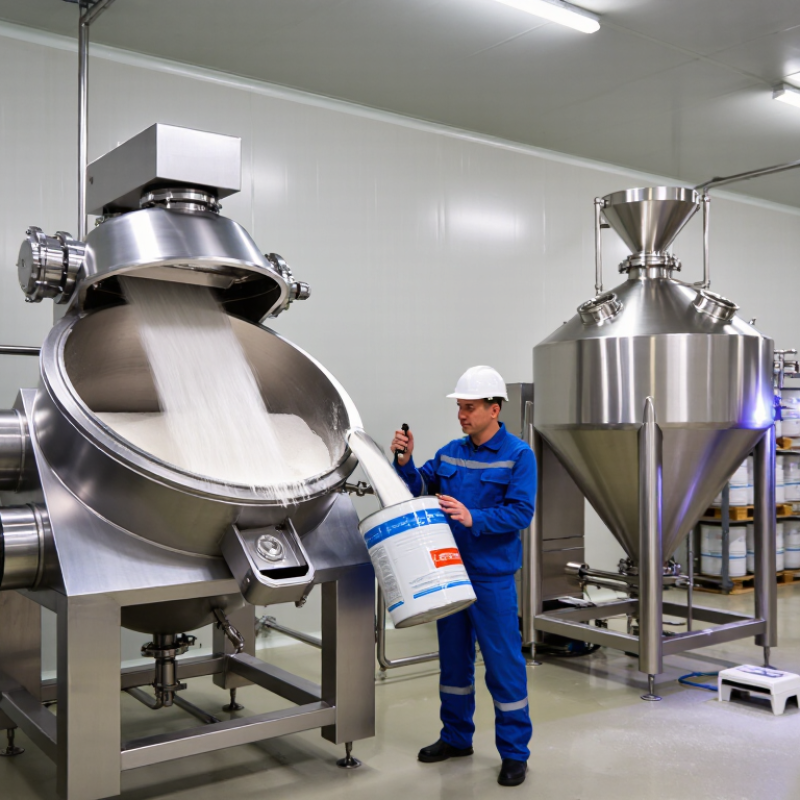
During equipment evaluations, engineers should inspect real materials, not rely only on brochures. Observe how powder enters the vessel, where dust gathers, and whether the discharge leaves visible residue. Check samples from several points in the batch. Small differences can reveal segregation, dead zones, or poor sampling practices. These details often decide whether industrial blending systems perform reliably after installation.

Edward L. Paul, a leading authority on industrial mixing, defined the purpose clearly: “Mixing is the process of reducing or eliminating nonuniformities in composition and properties.” That principle should guide every specification. A higher-speed impeller is not automatically better. Excessive energy can damage fragile particles, generate heat, or increase maintenance demands.

The 2026 selection process should also consider automation, traceability, cleanability, operator access, and energy use. Data from torque, temperature, and cycle time can support better decisions. Still, sensors cannot replace practical testing.

No system is perfect.

A pilot trial may expose unexpected behavior, and that is valuable evidence. Buyers should document test conditions, product moisture, loading sequence, and cleaning results before approving a final design. This article examines those decisions and explains how to choose industrial blending systems with stronger technical judgment, realistic expectations, and dependable long-term performance.

2026 How to Choose Industrial Blending Systems?

What Is an Industrial Blending System and How Does It Work?

An industrial blending system combines powders, liquids, or both into a consistent mixture. It typically includes a vessel, agitator, drive motor, valves, sensors, and a control system. Operators select the recipe, load measured ingredients, and adjust mixing speed and time.

Inside the vessel, the agitator creates movement through the material. Low-shear paddles protect fragile particles, while high-shear tools break agglomerates and improve dispersion. Load cells verify ingredient weight. Temperature probes detect heat from friction. A programmable controller coordinates dosing, mixing, discharge, and cleaning steps. Continuous systems blend materials as they move through a chamber. Batch systems process a defined quantity, which suits frequent recipe changes.

According to Grand View Research’s 2024 Industrial Mixers Market report, the global market was valued at approximately 8.7 billion US dollars in 2023. The report also forecasts continued growth through 2030, driven by automation and process consistency. A separate PMMI industry report identifies automation as a major investment priority in processing and packaging facilities. Data matters here.

Selection should begin with material behavior, not vessel size. Check bulk density, moisture, particle shape, viscosity, and heat sensitivity. A blend may look uniform near the outlet but remain uneven inside. That mistake is common. Product testing, sampling plans, and documented validation reduce the risk. Still, no system removes every operational doubt. Operators must review real batch results and challenge assumptions before approving full-scale production.

How to Define Material, Capacity, and Process Requirements

How to Choose Industrial Blending Systems in 2026

Define the material before comparing equipment. Record particle size, bulk density, moisture, temperature, and flow behavior. Powders may bridge, segregate, or cling to vessel walls. Granules can fracture under excessive shear. These details affect the impeller, vessel shape, discharge design, and mixing energy. Small laboratory tests often reveal problems that spreadsheets miss. Use representative samples, not idealized material.

Capacity needs more than a target tonnage. Specify batch size, hourly output, loading time, mixing time, discharge time, and cleaning intervals. A system rated for maximum volume may perform poorly at minimum fill. That mistake is common. Measure the actual process window. Also define the required blend uniformity and acceptable variation. Sampling should reflect different vessel locations and production stages. Record the method clearly.

Operators need practical controls, safe access, dust management, and repeatable recipes. Consider how ingredients enter the vessel and how quickly the system can recover from interruptions. Stainless surfaces may simplify cleaning, but surface finish and dead zones still matter. I have seen projects focus on motor power while ignoring discharge restrictions. The result was slower production. A pilot trial can challenge optimistic assumptions. Leave room for revision. Real materials rarely behave exactly like test samples.

2026 How to Choose Industrial Blending Systems?

Define material, capacity, and process requirements before selecting a blending system.

Material

Bulk density affects mixer volume, motor load, discharge behavior, and the required conveying method. Moisture, particle size, and flowability should also be confirmed.

Capacity

Estimate working volume using: batch mass ÷ bulk density. The selected mixer should provide sufficient free space for material movement and expansion.

Process

Define mixing uniformity, cycle time, liquid addition, temperature control, cleaning method, and the risk of segregation before choosing the mixer design.

Representative bulk-density ranges for common industrial materials. Actual values vary with moisture content, particle size, compaction, and material grade.

How to Compare Industrial Blender Types and Mixing Technologies

Choosing an industrial blending system starts with the material, not the machine’s appearance. Powders with similar particle sizes often suit ribbon or paddle blenders. Their horizontal shafts create steady movement across a broad trough. They are practical for dry ingredients, premixes, and moderate batch sizes.

For fragile particles, gentle paddle action can reduce breakage. For dense powders or materials that form lumps, ploughshare designs provide stronger circulation. Add cutting tools when agglomerates resist normal movement. Liquid-solid mixtures require another comparison. High-shear mixers disperse liquids quickly and can reduce visible lumps. However, excessive shear may damage heat-sensitive materials or change particle structure.

Batch systems offer tighter control when recipes change frequently. Continuous systems can improve throughput when feed rates remain stable. That stability is easily underestimated. A small variation in moisture can disturb the final composition. Operators should compare mixing time, discharge quality, cleaning access, energy use, and maintenance effort. Look inside the vessel, not only at the motor rating. Dead zones near corners can leave unmixed material behind.

Pilot testing is essential. Measure samples from different outlet points and heights. Check consistency, temperature rise, dust behavior, and cleaning time. One test is not enough. Our judgment can be wrong when laboratory powder behaves differently at production scale. A reliable supplier should explain test conditions, measurement methods, and known limitations. The best technology is not always the most powerful one. It is the system that matches the material, process, and operators’ daily reality.

2026 How to Choose Industrial Blending Systems? - How to Compare Industrial Blender Types and Mixing Technologies

Blender or Mixing Technology Operating Principle Best-Suited Materials Typical Viscosity Range Solids and Particle Handling Shear Level Heat and Mass Transfer Main Advantages Main Limitations Typical Industrial Uses
Ribbon Blender Counter- or co-rotating inner and outer helical ribbons move material radially and axially through a horizontal trough. Dry powders, granules, short fibers, premixes, and some low-moisture solids. Primarily free-flowing powders and bulk solids; generally unsuitable for highly viscous pastes. Handles powders and granules effectively; suitable for moderate particle-size differences when segregation is controlled. Low to moderate Good for uniform distribution of minor ingredients; jacketed troughs can support heating or cooling. Simple construction, comparatively low power demand, large batch capacity, and good dry-blending performance. Can cause particle attrition or segregation; not ideal for fragile particles, very cohesive powders, or intensive liquid incorporation. Food ingredients, animal feed, chemical powders, minerals, detergents, and pharmaceutical premixes.
Ploughshare Mixer Plough-shaped tools lift and fluidize solids mechanically; optional high-speed choppers break agglomerates or disperse liquids. Cohesive powders, powders containing liquids, agglomerated solids, and products requiring intensive dispersion. Dry solids through damp or paste-like mixtures, depending on configuration and power rating. Handles cohesive powders, agglomerates, and moderate liquid additions; choppers improve deagglomeration. Moderate to high Efficient powder wetting and liquid distribution; jacketed vessels can provide thermal control. Versatile, effective with difficult powders, short mixing times, and good liquid-solid incorporation. Higher energy consumption than basic dry blenders; moving parts may increase wear and maintenance requirements. Specialty chemicals, battery materials, food products, pharmaceuticals, construction materials, and agricultural formulations.
Paddle Mixer Large paddles convey and fold material through a horizontal vessel, usually with gentle intermeshing or overlapping movement. Powders, granules, flakes, fibers, and fragile particulate products. Low-viscosity bulk solids; some designs handle damp or mildly cohesive materials. Good for fragile particles and products with varied bulk density; can accommodate limited liquid addition. Low to moderate Suitable for blending and moderate liquid distribution; jacketed designs support heating or cooling. Gentle handling, relatively low product degradation, and good control of residence time in continuous designs. Less effective for strongly cohesive powders or intensive dispersion without auxiliary tools. Dry food products, grains, feed, fertilizers, biomass, and fragile granules.
Double-Cone Blender A rotating double-cone vessel repeatedly divides and recombines powders through tumbling action. Free-flowing, dry, non-cohesive powders and granules. Low-viscosity dry solids only. Works best with similar particle size, density, and flow properties; poor for cohesive or highly segregating mixtures. Very low Limited heat and mass transfer; mainly used for gentle blending rather than processing reactions. Gentle mixing, low particle damage, easy emptying, and relatively simple cleaning for suitable products. Longer mixing time may be required; cannot efficiently disperse liquids or break agglomerates. Pharmaceutical powders, nutritional products, cosmetic powders, and low-abrasion chemical blends.
V-Blender A V-shaped vessel rotates to split and recombine the powder bed, creating repeated tumbling and diffusion. Free-flowing powders and granules requiring gentle batch blending. Low-viscosity dry solids only. Best with free-flowing ingredients having similar density and particle-size distribution. Very low Limited thermal performance; optional intensifier bars can improve liquid distribution or deagglomeration. Gentle operation, low heat generation, good batch uniformity for suitable powders, and low product attrition. Not suitable for cohesive powders, large liquid additions, or high-viscosity materials; overfilling reduces mixing quality. Pharmaceutical ingredients, nutraceuticals, fine chemicals, and dry cosmetic formulations.
High-Shear Granulator or Mixer A rapidly rotating impeller applies intensive mechanical force; a secondary chopper may reduce wet lumps and control granule size. Powders requiring wet granulation, rapid agglomeration, or intensive blending. Dry powders through wet, cohesive masses, subject to torque and equipment design. Excellent for agglomeration, binder distribution, and controlled granule formation; not intended for delicate particles. High Strong liquid-solid contact and rapid binder distribution; heat generation may require monitoring. Short processing times, effective deagglomeration, and repeatable granulation when formulation and moisture are controlled. Higher energy input, possible product heating, greater wear, and more difficult cleaning than gentle blenders. Pharmaceutical granulation, detergents, ceramics, fertilizers, and specialty chemical processing.
Anchor or Sweep Agitator A large-diameter blade follows the vessel wall, moving high-viscosity material while reducing stagnant zones. Viscous liquids, pastes, creams, gels, coatings, and heat-sensitive products. Medium to very high viscosity, depending on vessel geometry, clearance, and drive torque. Can suspend limited solids; not normally selected for rapid powder deagglomeration without auxiliary equipment. Low to moderate Excellent wall contact for heating and cooling when used with a jacket or internal heat-transfer surface. Good wall sweeping, effective temperature control, and reliable processing of viscous products. Slow bulk circulation at low speeds; may require a high-torque drive and auxiliary high-shear mixer for dispersion. Adhesives, creams, sealants, coatings, sauces, polymers, and personal-care products.
Helical or Sigma-Arm Mixer Helical blades or overlapping sigma arms fold, knead, and stretch highly viscous or plastic materials. Heavy pastes, dough-like compounds, elastomers, putties, and moisture-limited formulations. High to extremely high viscosity, including materials that behave as plastic masses rather than liquids. Can incorporate powders, fillers, pigments, and fibers into viscous bases; solids loading depends on torque capacity. Moderate to high Strong kneading and surface renewal; jacketed vessels can provide controlled heating or cooling. Handles materials that conventional impellers cannot move and provides effective kneading and filler incorporation. High power and torque requirements, slower discharge, more complex cleaning, and greater mechanical stress. Rubber compounds, sealants, refractory materials, ceramic pastes, doughs, and high-solid adhesives.
High-Shear Rotor-Stator Mixer A close-clearance rotor and stationary stator generate intense local velocity gradients, dispersing droplets, particles, and agglomerates. Liquid-liquid emulsions, suspensions, dispersions, and products requiring rapid deagglomeration. Low to medium viscosity; specialized designs can process higher viscosities with recirculation or auxiliary agitation. Suitable for fine particle wetting and dispersion; solids concentration is limited by viscosity, abrasion, and flowability. High to very high Excellent for dispersion and emulsification; heat generation can be significant at high speed. Fast particle-size reduction, fine dispersion, and repeatable emulsification when formulation and energy input are controlled. Can damage shear-sensitive materials, increase temperature, and consume more power; not a substitute for bulk circulation. Emulsions, inks, coatings, cosmetics, pharmaceuticals, agrochemicals, and liquid food products.
Propeller or Hydrofoil Agitator An axial-flow impeller circulates liquid vertically or horizontally through a tank. Low-viscosity liquids, dissolved products, and moderate solids suspensions. Low to medium viscosity, depending on impeller diameter, speed, and tank geometry. Good for suspending relatively light solids; heavy or settling solids may require higher pumping capacity or specialized impellers. Low to moderate Good bulk circulation and blending; useful for maintaining uniform temperature and concentration. Efficient pumping, comparatively low power per unit of circulation, and good tank-wide turnover. Limited ability to break agglomerates or create fine emulsions; vortexing may occur without baffles or proper design. Water treatment, chemicals, low-viscosity foods, fermentation support, and liquid storage tanks.
Static Mixer Fixed internal elements repeatedly divide, rotate, and recombine flowing streams without powered moving parts. Continuous liquid-liquid, gas-liquid, and liquid-solid blending where the streams are pumpable. Low to medium viscosity; pressure drop rises as viscosity and flow rate increase. Can blend fine additives or gases into liquids; unsuitable for large, settling, or poorly pumpable solids. Low to moderate Good continuous blending and heat-transfer enhancement in suitable pipe or jacketed configurations. No motor or moving parts, compact footprint, continuous operation, and low routine maintenance. Requires adequate pressure and controlled flow rates; plugging and cleaning can be concerns for fouling products. Water treatment chemicals, polymer dosing, fuel conditioning, coatings, gas dispersion, and inline neutralization.
Continuous Twin-Screw Mixer or Kneader Intermeshing or non-intermeshing screws convey, distributively mix, and sometimes dispersively process material continuously. Powders with liquid addition, viscous compounds, reactive formulations, and high-solids continuous products. Medium to very high viscosity, depending on screw configuration, fill level, and torque capacity. Handles powders, fillers, pigments, fibers, and liquids with controlled feeding; suitable for intensive continuous compounding. Moderate to very high Strong surface renewal and controllable residence time; segmented barrels can provide heating or cooling. Continuous production, accurate feed control, good dispersion, and flexible modular process zones. Higher capital cost, more complex process control, feed sensitivity, and potential wear with abrasive materials. Polymer compounding, battery materials, masterbatch, chemicals, food extrusion preparation, and reactive processing.

Selection note: Actual performance depends on formulation rheology, bulk density, particle-size distribution, moisture content, solids loading, batch size, residence time, temperature limits, sanitation requirements, and required blend uniformity. Viscosity categories are indicative rather than universal design limits; pilot testing and scale-up trials are recommended before final equipment selection.

How to Select Features for Quality, Safety, and Process Control

2026 How to Choose Industrial Blending Systems?

How to Select Features for Quality, Safety, and Process Control

Selecting an industrial blending system starts with product behavior, not catalog capacity. In plant trials, powders may bridge, smear, or release dust. The system should match bulk density, particle size, moisture, and shear sensitivity. Ask for batch records, cleaning time, and observed variation. A neat specification can still hide poor flow.

Quality depends on controlled movement and measurable results. Choose mixing geometry that reaches stagnant zones without damaging fragile particles. Install sampling points near the discharge, not only beside the vessel. Load cells, temperature probes, and speed feedback can support defined process limits. Validate blend uniformity through repeated samples from different locations. One successful batch proves very little.

Safety features need practical testing. Select sealed charging, dust extraction, interlocks, emergency stops, and guarded access. Check whether operators can clean the vessel without awkward reaching or trapped residue. Controls should record speed, time, load, and alarm history. These records support deviation reviews and consistent training. I have seen teams overvalue automation while ignoring a blocked filter or unclear alarm. That mistake is worth admitting. Leave room for manual inspection and changeovers.

How to Evaluate Installation, Maintenance, Cost, and Future Expansion

2026 How to Choose Industrial Blending Systems?
How to Evaluate Installation, Maintenance, Cost, and Future Expansion

A practical evaluation starts with the installation site. Measure ceiling height, doorway width, floor loading, and service clearance before requesting quotations. A system may fit the production area but fail through the receiving door. Check electrical supply, compressed air, dust control, and discharge height. During a plant review, I also mark forklift routes and cleaning zones. Small access problems become expensive delays.

Maintenance should be judged from the operator’s position. Can workers reach seals, filters, bearings, and inspection ports without removing half the machine? Ask for recommended inspection intervals, spare-part availability, and documented cleaning procedures. Preventive maintenance records can reveal recurring failures. They also expose optimistic assumptions. A low purchase price may hide high labor costs, difficult sanitation, or long downtime. Request a five-year cost estimate covering energy, replacement parts, training, and service visits. Keep the assumptions visible.

Future expansion deserves equal attention. Select a frame, control system, and utility layout that can accept additional feeders or larger vessels. Leave practical space around the equipment, not just theoretical capacity. Confirm whether software, sensors, and safety circuits can support later upgrades. A pilot test with representative materials is valuable, especially when powders vary in moisture or bulk density. We once underestimated cleaning time between batches. That mistake changed the layout. Capacity alone is not enough.