




How to Choose the Best Conveyor System Solutions?
Choosing the right conveyor system solutions starts with the work, not the catalog. A system that moves boxes efficiently in one facility may struggle with dusty materials, changing product sizes, or tight turns elsewhere. The best choice depends on what moves, how often it moves, and where the equipment must fit.
Start by recording product dimensions, weight, throughput, and peak demand. Measure the available floor space, including access points and maintenance clearances. Measure twice. For example, a small transfer gap can interrupt a line when cartons vary in length. Details matter. Consider the operating environment, too: moisture, temperature, debris, and washdown needs can influence belt materials and equipment design. A conveyor should also match the pace of upstream and downstream processes, rather than simply run faster.
Ask suppliers to explain their recommendations against your actual requirements. Request layout drawings, capacity assumptions, maintenance intervals, and references for comparable applications. Check how the proposed controls integrate with existing equipment, and clarify what training and service support are included. A lower purchase price may bring higher energy use, frequent repairs, or costly downtime. Do not judge value by price alone. Some details may remain uncertain until a site survey or trial confirms them. That is worth acknowledging. A careful selection process compares evidence, trade-offs, and operating conditions—not just product features. The goal is a dependable system that suits today’s workflow while leaving room for realistic changes in demand.
Understanding Conveyor System Types and How They Work
How to Choose the Best Conveyor System Solutions?
Understanding Conveyor System Types and How They Work
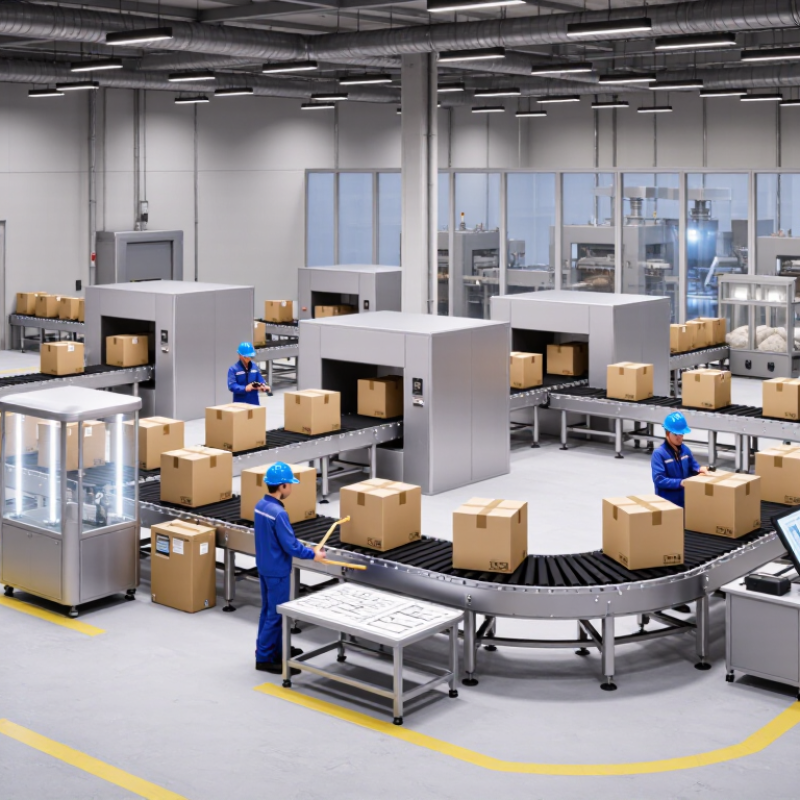
Conveyors move materials along a planned route, but each design handles loads differently. Belt conveyors carry items on a continuous surface, making them useful for cartons, packaged goods, and loose materials. A small parcel may travel smoothly, while a sharp-edged part could wear the belt sooner. Details matter. Inclines, dust, moisture, and cleaning routines can all affect performance.
Roller conveyors use rotating rollers beneath the load. Gravity models rely on a slight slope; powered models use motors to control movement. They suit firm-bottomed boxes and totes, but not every soft package will roll reliably. Chain or slat conveyors support heavier, less uniform items, such as bins or assembled components. Screw conveyors move bulk materials through a rotating spiral inside a trough or tube. Their enclosed path can limit spills, though material buildup may require attention.
Choosing a system starts with the load: its weight, shape, surface, and expected rate of travel. Measure the route, including bends, transfer points, and elevation changes. A layout that looks efficient on paper may create awkward maintenance access. Speed is only one factor. Noise, energy use, guarding, and cleaning needs deserve equal consideration. It is easy to over-specify a conveyor, then discover that a simpler line would have been easier to service. Allow room for real operating conditions, not just ideal ones.
| Conveyor Type | How It Works | Best Suited For | Key Advantages | Selection Considerations |
|---|---|---|---|---|
| Belt Conveyor | A continuous belt moves over pulleys and support rollers, carrying products along a fixed path. | Cartons, parcels, packaged goods, and many loose bulk materials. | Handles a broad range of product shapes and can support horizontal or inclined routes. | Choose a belt material and width suited to the product, environment, loading method, and required incline. |
| Gravity Roller Conveyor | Items travel over freely rotating rollers using gravity or a manual push. | Rigid, flat-bottomed loads such as boxes, totes, and trays. | Simple design with no powered drive; useful for accumulation and short transfer sections. | Requires a suitable slope for gravity flow. Small, soft-bottomed, or irregular items may not move reliably. |
| Powered Roller Conveyor | Motor-driven rollers move loads; some designs use zones that can start and stop independently. | Cartons, totes, and other stable unit loads in conveying, accumulation, and sorting areas. | Supports controlled movement and can reduce product contact during accumulation. | Check load dimensions, weight, roller spacing, throughput, and whether accumulation or product sensing is needed. |
| Chain Conveyor | One or more driven chains carry or pull loads along a fixed route. | Pallets, heavy fixtures, and products designed to be supported by chains or attachments. | Suitable for heavy-duty movement and can be configured for demanding industrial environments. | Confirm load support points, chain layout, required maintenance access, and protection against pinch points. |
| Screw Conveyor | A rotating helical screw moves bulk material through a trough or enclosed tube. | Powders, granules, and other bulk materials, including applications requiring enclosed transfer. | Compact conveying path; can help contain material and limit exposure to the surrounding area. | Material characteristics such as moisture, abrasiveness, and tendency to compact affect performance and wear. |
| Bucket Elevator | Buckets attached to a belt or chain lift bulk material vertically and discharge it near the top. | Vertical movement of free-flowing bulk materials such as grain, pellets, and similar products. | Moves bulk material upward while using relatively little floor space. | Consider material flow, bucket fill and discharge behavior, dust control, and access for inspection. |
| Pneumatic Conveyor | Airflow carries suitable bulk materials through a pipeline, either suspended in air or moving along the line in plugs. | Powders and selected granules that can be conveyed through enclosed piping. | Flexible routing and enclosed transfer can help contain dust and keep pathways clear. | Assess material fragility, pipeline distance and layout, airflow needs, energy use, and filtration requirements. |
Related Posts
-
Top 10 Conveyor System Solutions for Efficient Material Handling
-

What Are Industrial Equipment Solutions for Global Buyers?
-
How to Choose an Industrial Robotics Integration Partner?
-
2026 Best Industrial Robotics Integration Trends and Innovations?
-
What is Material Handling Systems and Why Are They Essential?
-
What Are the Benefits of Automated Production Systems?