Top Bulk Material Handling Equipment Suppliers Worldwide
Choosing among the top bulk material handling equipment suppliers worldwide requires more than comparing product catalogs. A mine’s dusty transfer chute, a grain terminal’s long belt conveyor, and a cement plant’s storage silo each place different demands on equipment. Material properties, capacity, layout, and maintenance access all affect performance. A supplier that understands these details can help reduce spillage, unplanned downtime, and difficult cleanups.
Dr. Andrew W. Jenike, a pioneer in bulk-solids engineering, showed why material behavior matters in equipment design. In paraphrasing a principle reflected in his work: “Design around how the material flows, not just around the machine.” That distinction is practical. Moisture, particle size, and flow behavior can change how a hopper empties or how material moves along a belt. Ask suppliers how they assess these conditions, select components, and support commissioning. Request relevant project examples, clear performance assumptions, and realistic maintenance requirements. Those details reveal more than broad claims about reliability.
This overview examines leading suppliers and the equipment they offer, from conveyors and feeders to storage and loading systems. It also considers service coverage, customization, safety features, and lifecycle support. A polished brochure is not proof of a suitable system. Compare proposals against site conditions, and check what each supplier includes after installation. No supplier fits every operation. That is worth remembering. Even a strong shortlist may leave unanswered questions about wear, dust control, or future capacity. A careful comparison helps buyers identify those gaps before choosing a partner.
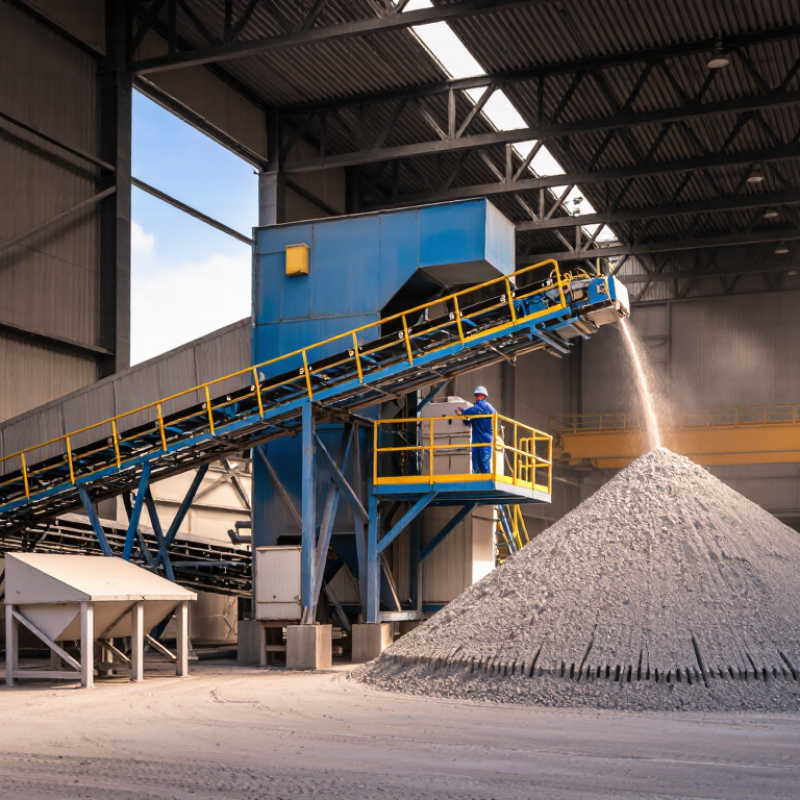
What Bulk Material Handling Equipment Suppliers Do
Top Bulk Material Handling Equipment Suppliers Worldwide
What Bulk Material Handling Equipment Suppliers Do
Bulk material handling suppliers turn process requirements into systems that move loose materials safely and reliably. They help select conveyors, feeders, hoppers, crushers, screens, and storage equipment based on material properties, throughput, and site layout. A damp, sticky ore behaves very differently from dry grain. Small design errors can cause blockages, spillage, or uneven flow. Details matter.
Their work often extends beyond equipment selection. Suppliers may engineer transfer points, install dust-control systems, integrate controls, and provide inspection and maintenance support. The scale is substantial: the U.S. Geological Survey’s Mineral Commodity Summaries 2024 estimated U.S. crushed-stone output at about 1.5 billion metric tons in 2023, alongside roughly 1.0 billion metric tons of construction sand and gravel. Those volumes put real demands on conveyors and loading systems. Still, a polished capacity calculation cannot capture every site condition. Material moisture, changing feed rates, and limited access can complicate commissioning. Ask suppliers how they verify performance under actual operating conditions, and what happens when the system falls short. Specs are only a start.
Major Types of Equipment and Systems They Provide
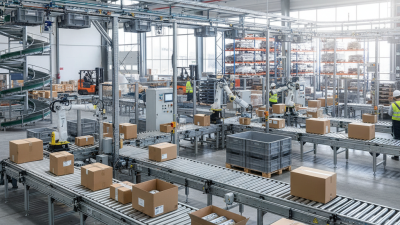
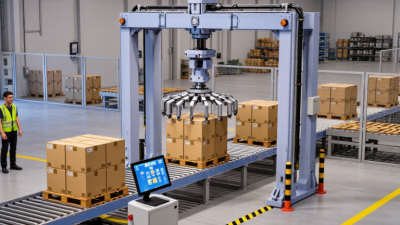
Bulk material handling systems move, store, and control materials such as grain, minerals, and cement. Belt conveyors handle steady, long-distance flow, while screw conveyors suit enclosed routes and smaller spaces. Bucket elevators lift material vertically. Feeders regulate how quickly it enters processing equipment. For stockyards, stackers build piles and reclaimers recover material for the next stage.
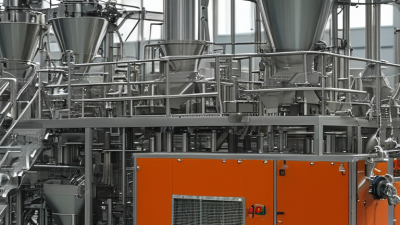
Storage and transfer equipment matter just as much. Silos, hoppers, and bins buffer supply, but their outlets must match the material’s flow behavior. Chutes, gates, and loading spouts guide transfers between machines or into trucks and railcars. Screens and crushers may be included when sizing or preparation is part of the system. Dust matters. Moisture, particle size, and abrasion can change equipment performance; a design that works for dry grain may struggle with damp, sticky material. Specifications deserve careful review.
Tips: Ask suppliers for capacity figures under conditions similar to yours, not just ideal test conditions. Check access for belt replacement, bearing inspection, and cleanout. Request drawings showing transfer points and maintenance clearances. Small details count. It is easy to focus on throughput and overlook cleanup time. That trade-off may become costly.
Industries and Materials Served by Global Suppliers
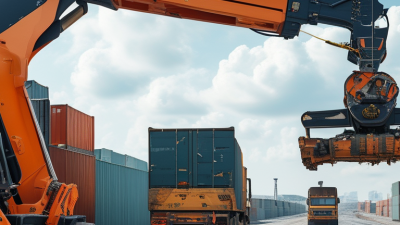
Global bulk material handling suppliers serve mining, quarrying, cement, agriculture, ports, and energy operations. Their systems move materials such as iron ore, limestone, sand, grain, fertilizer, and biomass. Each material behaves differently. Damp limestone may cling to a chute, while dry grain can spill through small gaps. Suppliers therefore match conveyors, feeders, elevators, hoppers, and transfer points to the material’s flow, weight, and abrasiveness. Small details matter.
Operating conditions shape equipment choices too. A coastal terminal may need corrosion-resistant components and enclosed conveyors to limit windblown dust. A grain facility may prioritize gentle handling and accessible cleaning points. Mining sites often require robust belts, impact beds, and practical maintenance access. These choices affect uptime, but no design removes every problem. Moisture changes, uneven feed, and worn liners can still disrupt flow. Not always. A supplier’s experience with similar materials helps identify likely trouble spots, yet site measurements and operating data remain essential. Even a carefully specified system may need adjustment after commissioning.
How to Evaluate Suppliers and Compare Their Offerings
When evaluating bulk material handling equipment suppliers, start with the material and operating conditions. Record particle size, moisture, abrasiveness, throughput, and expected operating hours. A supplier should explain how these details shape equipment selection, not just quote a standard capacity. Ask for drawings, duty-cycle assumptions, and clear limits for temperature or material variation. Small omissions can become costly later.
Compare complete offerings, not headline prices. Check what each proposal includes: feeders, conveyors, transfer points, controls, guarding, installation support, and commissioning. Review wear-part access, cleaning requirements, energy use, and maintenance intervals. Ask for references involving similar materials and operating conditions. Where possible, verify performance data against documented projects. A polished brochure is not proof. Compare warranty terms, spare-parts availability, response times, and training scope; vague service promises deserve follow-up. Some figures may still be estimates, so mark assumptions before ranking bids.
Tips: Use the same specification sheet for every supplier. Request a line-by-line scope and identify exclusions. Ask who handles troubleshooting after startup. Score technical fit, lifecycle cost, and support separately, then discuss weak areas directly. No scorecard replaces judgment. A practical trial or site visit can reveal details that a spreadsheet misses.
Examples of Established Suppliers Across World Regions
Established bulk material handling suppliers are often shaped by the industries and operating conditions around them. Across Europe, engineering firms commonly serve cement plants, quarries, ports, and process facilities. Their systems may include belt conveyors, feeders, transfer chutes, and access platforms designed for inspection. Small details matter. A poorly placed chute can create spillage and extra cleanup.
In North America, suppliers often work with mining, grain, and power operations, where long conveyor routes and seasonal weather affect equipment choices.
East Asian manufacturers and engineering contractors support busy ports, steelworks, and large production sites, with emphasis on coordinated conveying and storage systems.
In Australia, mining projects call for equipment suited to remote locations, abrasive materials, and limited maintenance access. No supplier fits every site.
Across South America, Africa, and the Middle East, established regional firms may provide project engineering, installation, or local service alongside imported equipment. Buyers can compare suppliers by examining similar completed projects, spare-parts availability, safety features, and the clarity of maintenance instructions.
Ask how the system handles dust, wet material, or changing feed rates. A polished proposal is useful, but it cannot replace practical operating evidence. Some specifications still need a closer look.