



What Is Food Processing Innovation for Global Buyers?
Food processing innovation is no longer limited to faster machines or larger factories. For global buyers, it means safer products, longer shelf life, lower resource use, and consistent quality across markets. A sealed pouch, for example, may combine mild heat treatment, oxygen control, and real-time monitoring. These details influence freight costs, retail waste, and consumer trust.
The OECD-FAO Agricultural Outlook 2024–2033 projects global agricultural and fish production to rise by about 1.1% annually over the next decade. More output will increase pressure on processors to improve efficiency without weakening nutrition or safety. The UN Environment Programme reported that 1.05 billion tonnes of food were wasted in 2022. Better processing cannot solve every waste problem, but it can help protect fragile ingredients during storage and distribution. The opportunity is significant. The execution is not simple.
Food scientist David Julian McClements has described food as “a highly complex material.” That observation matters to buyers comparing protein alternatives, functional beverages, frozen foods, and clean-label formulations. A promising ingredient may fail during heating, pumping, or extended transport. Laboratory results can also look better than factory performance. This is where technical validation, supplier audits, pilot trials, and transparent documentation become essential.
Global buyers should examine measurable evidence: energy consumption per tonne, water use, shelf-life data, microbial controls, packaging compatibility, and batch consistency. Certifications help, but they do not replace independent verification. Some innovation is genuinely valuable. Some is merely expensive equipment wearing a modern label. A careful buyer must question both.
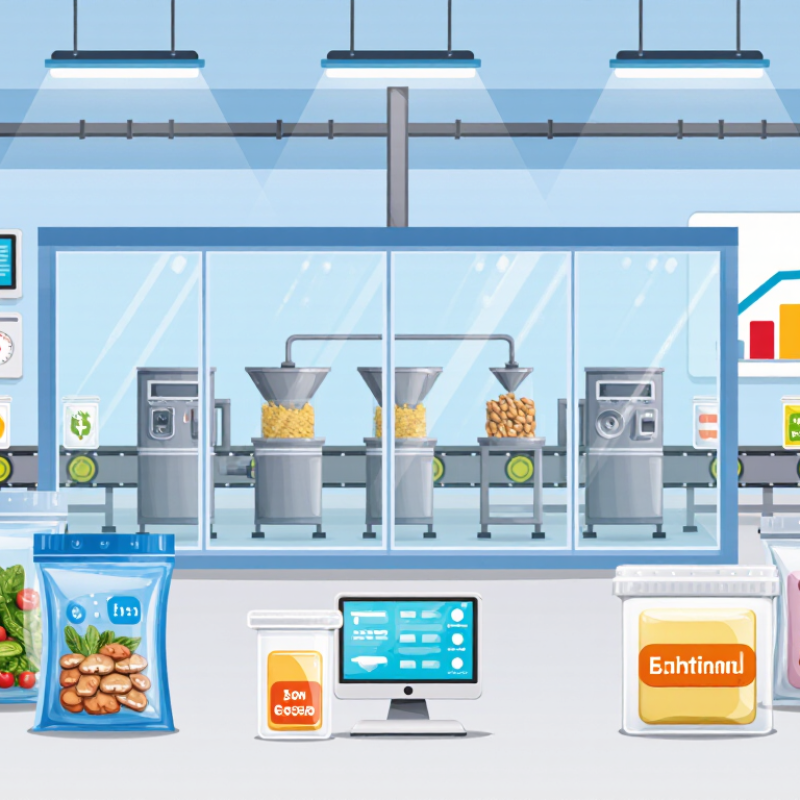
Food processing innovation is the practical improvement of how food is handled, transformed, packed, and delivered. It includes new equipment, safer workflows, better ingredients, and smarter quality controls. The goal is not novelty alone. A useful innovation should improve safety, consistency, efficiency, nutrition, or resource use.
Its scope begins with raw material preparation and continues through processing, packaging, storage, and distribution. For global buyers, this may involve low-temperature drying, precise heat treatment, automated inspection, or packaging that limits moisture and oxygen.
A processing line should also support traceability, clear documentation, and stable performance across different production sites. Small details matter. A sensor reading, cleaning record, or seal test can affect an entire shipment.
Experience shows that technical claims need practical verification. A pilot batch may look excellent, yet perform poorly after long-distance transport. The boundary is not always clean. Some innovations reduce energy use but require difficult maintenance or skilled operators. That weakness deserves attention. Buyers can request test results, process specifications, shelf-life data, and independent safety assessments. They should also examine worker training, calibration routines, and responses to production errors. Reliable innovation is measurable, repeatable, and suitable for the laws of the destination market. It should work on an ordinary production day, not only during a carefully prepared demonstration.
What Is Food Processing Innovation for Global Buyers?
Key Technologies Used in Modern Food Processing
For global buyers, food processing innovation means measurable control, not shiny machinery. Modern plants combine sensors, automation, and safer preservation methods. Inline temperature, moisture, and pressure sensors detect process changes within seconds. Machine vision checks color, shape, sealing, and foreign particles. These tools reduce dependence on tired manual inspection. The FAO reported that 14% of global food is lost between harvest and retail. Better processing control can address part of that gap.
High-pressure processing extends shelf life without conventional heat damage. Aseptic systems protect liquid foods during filling and storage. Membrane filtration improves water recovery and ingredient concentration. Robotics handle repetitive packing tasks, while digital twins model production changes before installation. Artificial intelligence can identify unusual readings and predict maintenance needs. However, algorithms still require clean data and experienced operators. That weakness is often underestimated.
Energy efficiency now influences purchasing decisions. Variable-speed motors, heat recovery, and optimized refrigeration can lower operating costs. The UNEP Food Waste Index Report 2024 estimated 1.05 billion tonnes of food waste in 2022. Buyers should examine yield, cleaning water, energy use, and downtime together. Equipment with more sensors is not automatically more reliable. Poor calibration can create false confidence. Pilot trials, documented validation, and transparent performance records remain essential. Some factories still measure success too narrowly. A faster line may produce more waste.
Food processing innovation matters most when it prevents invisible risks. For global buyers, safety depends on measurable controls, not attractive packaging. The World Health Organization estimates that contaminated food causes 600 million illnesses and 420,000 deaths each year. Its 2015 report also found that children under five carry 30% of foodborne disease mortality. These figures make sanitation, temperature control, and allergen management commercial priorities.
Modern plants combine rapid sensors, automated inspection, and digital batch records. A cold-chain sensor can flag a temperature rise before a shipment reaches the loading dock. Vision systems can detect damaged surfaces, inconsistent filling, or foreign material without touching the product. High-pressure processing and improved barrier packaging may extend shelf life while reducing quality loss. The 2024 Food Waste Index Report estimated that 1.05 billion tonnes of food were wasted in 2022. Better processing cannot solve every cause, but it can reduce preventable rejection and spoilage.
Buyers should request validation studies, calibration records, cleaning evidence, and traceability tests. Numbers need context. A cheaper sensor may create expensive blind spots if staff ignore alarms or calibration drifts. In practice, technology is sometimes treated as proof of control, although it remains another process requiring verification. One weak handoff can compromise an advanced production line. The real measure is consistent safety and quality at release, not novelty on the factory floor.
What Is Food Processing Innovation for Global Buyers?
Food processing innovation includes aseptic filling, high-pressure processing, intelligent freezing, and sensor-based quality control. For global buyers, these tools can extend shelf life without relying only on preservatives. That matters when products cross several ports, warehouses, and climate zones. The FAO reported that 13.2% of food was lost between harvest and retail in 2021. Better processing can protect more value before products reach consumers.
Innovation also improves supply-chain planning. Digital batch records can show processing time, temperature changes, and shipment status. Buyers can identify delays earlier and reduce disputes with suppliers. The United Nations Environment Programme estimated that 1.05 billion tonnes of food were wasted in 2022. Even a small reduction in damage can improve purchasing efficiency, especially for perishable goods. Standardized processing may also support more consistent specifications across countries.
However, technology does not solve every sourcing problem. A sophisticated line still needs trained operators, stable energy, and reliable maintenance. Smaller suppliers may struggle with the investment. That deserves honest attention. Buyers should test shelf-life claims under real transport conditions, not only in laboratory settings. They should also compare energy use, packaging requirements, and local compliance costs. The best innovation is practical, measurable, and resilient when a shipment is late or a cold room fails.
| Processing Innovation | How It Works | Typical Technical Parameters | Benefits for Global Buyers | International Supply-Chain Impact | Key Purchasing and Compliance Considerations | Reference |
|---|---|---|---|---|---|---|
| Retort Processing | Food is sealed in flexible pouches, cans, or trays and commercially sterilized using heat and pressure. |
Commercially sterile products can be stored at ambient temperature.
Shelf life is commonly about 6–24 months, depending on the product, packaging, and validated process.
|
Enables ambient-temperature purchasing, reduces dependence on refrigerated containers, and supports long-distance distribution. | Lower cold-chain exposure, fewer temperature-related quality claims, and improved access to markets with limited refrigerated infrastructure. | Buyers should verify scheduled process validation, container integrity, sterilization records, food-contact packaging compliance, and traceability. | U.S. FDA, Low-Acid Canned Foods guidance; Codex Alimentarius, Code of Hygienic Practice for Low-Acid and Acidified Low-Acid Canned Foods. |
| High-Pressure Processing (HPP) | Packaged food is exposed to hydrostatic pressure to reduce vegetative pathogens and spoilage microorganisms without applying conventional high heat. |
Common commercial pressure range: approximately 400–600 MPa.
Products generally remain refrigerated; validated shelf life varies by food category.
|
Can help preserve fresh-like flavor, color, and texture while supporting clean-label product positioning. | May extend refrigerated selling windows and reduce short-dated inventory, although refrigerated logistics are still required. | Confirm pressure validation, target microorganisms, post-process contamination controls, packaging suitability, and cold-storage requirements. | U.S. FDA, Fish and Fishery Products Hazards and Controls Guidance; Codex guidance on novel and non-thermal food processing technologies. |
| Aseptic Processing and Packaging | Commercially sterile product and sterilized packaging are combined in a controlled environment to create shelf-stable products. |
Products may be distributed at ambient temperature.
Typical commercial shelf life is often 6–12 months or longer, subject to product and package validation.
|
Improves export flexibility, reduces refrigerated freight costs, and supports predictable inventory planning. | Allows longer transport routes and multimodal shipping with less dependence on continuous refrigeration before opening. | Review aseptic-process records, sterility controls, packaging barrier properties, migration compliance, and storage-temperature specifications. | Codex Alimentarius, General Principles of Food Hygiene; U.S. FDA, Aseptic Processing and Packaging for the Food Industry. |
| Individual Quick Freezing (IQF) | Individual pieces are rapidly frozen separately rather than forming one large block, improving portion control and product separation. |
Frozen-food distribution is commonly maintained at approximately −18°C or colder.
Freezing time and air temperature depend on product size and equipment design.
|
Provides flexible portioning, reduces thawing waste, and supports consistent product specifications for foodservice and retail buyers. | Improves handling efficiency and reduces product clumping, but requires reliable frozen storage and transport throughout the chain. | Check core-temperature records, glazing or added-water declarations, size grading, foreign-material controls, and cold-chain monitoring. | Codex Alimentarius, Code of Practice for the Processing and Handling of Quick Frozen Foods; international frozen-food cold-chain practice. |
| Modified Atmosphere Packaging (MAP) | The air inside a package is replaced or adjusted using gases such as oxygen, carbon dioxide, and nitrogen to slow oxidation and microbial growth. | Gas composition is product-specific; oxygen and carbon-dioxide levels must be validated together with package permeability and temperature control. | Can improve appearance and usable life for fresh or minimally processed foods and reduce retail waste. | Creates additional time for international consolidation and distribution, but does not replace refrigeration or hygienic handling. | Verify gas specifications, seal integrity, headspace testing, labeling requirements, temperature limits, and product-specific microbial validation. | Codex Alimentarius, General Principles of Food Hygiene; ISO 22000 food-safety management principles. |
| Spray Drying and Encapsulation | Liquid ingredients are atomized into a hot-air stream to produce powders; encapsulation can protect sensitive flavors, oils, vitamins, or probiotics. |
Powder moisture is commonly controlled at a low level, often around 2–5%, depending on the ingredient.
Water activity and packaging are more useful quality indicators than moisture alone.
|
Reduces product weight and volume, improves dosage accuracy, and supports ambient storage of many ingredients. | Lower freight intensity per usable unit and simpler warehousing, provided powders are protected from moisture, oxygen, and contamination. | Review water activity, solubility, particle size, allergen status, carrier ingredients, reconstitution performance, and moisture-barrier packaging. | FAO and food-engineering technical literature on drying and powder stability; Codex General Standard for Food Additives where applicable. |
| Digital Traceability and Batch-Level Data | Production, processing, testing, shipment, and receiving records are linked to a lot or batch identifier for faster information exchange. | A traceability system should support one-step-back and one-step-forward tracking and retain records for the period required by applicable law or contract. | Improves supplier qualification, document review, recall readiness, and visibility of origin and processing status. | Reduces the scope and speed of recall investigations and helps coordinate customs, logistics, and quality teams across borders. | Agree on data ownership, identifier formats, record-retention periods, access rights, cybersecurity, and interoperability with buyer systems. | Codex Alimentarius, General Principles of Food Traceability/Product Tracing; GS1 global traceability principles. |
| Rapid Microbiological and Chemical Screening | Rapid methods, environmental monitoring, and targeted laboratory testing are used to identify hazards or quality deviations earlier than conventional release testing alone. |
Test selection depends on the hazard, matrix, and legal requirement.
Rapid methods require appropriate validation or verification for their intended use.
|
Supports faster release decisions, reduces shipment uncertainty, and strengthens confidence in supplier performance. | Can reduce border delays, rejected lots, and unnecessary disposal when combined with documented corrective-action procedures. | Confirm method validation, sampling plans, laboratory competence, detection limits, certificates of analysis, and destination-country requirements. | ISO/IEC 17025; Codex Alimentarius, Guidelines for the Validation of Food Safety Control Measures. |
| Energy- and Water-Efficient Processing | Process optimization, heat recovery, efficient refrigeration, water reuse where permitted, and digital monitoring reduce resource consumption per unit of output. | Performance is best measured using site-specific indicators such as kWh per tonne, m³ of water per tonne, yield, and product-loss rate. | May lower operating costs, improve supply continuity during energy or water constraints, and support buyer sustainability requirements. | Improves resilience and can reduce embedded emissions associated with processing, refrigeration, waste, and avoidable transport. | Request defined boundaries, measurement methods, baseline years, audit evidence, and separation of verified data from estimates or marketing claims. | ISO 50001 energy-management principles; ISO 14001 environmental-management principles; FAO guidance on food loss and waste reduction. |
Adopting food processing innovation is rarely a simple equipment purchase. Buyers must connect new machinery with safety, labor, utilities, and customer expectations. In pilot assessments, I look for stable output across several production shifts, not one impressive trial. A line may process 2,000 kilograms per hour, yet fail when raw materials vary. That detail matters. Operators also need clear training, validated sanitation procedures, and practical maintenance access.
Costs create another barrier. Advanced systems may reduce waste, but installation can interrupt production and require specialized technicians. Energy demand deserves close measurement, especially in regions with unstable power supply. Spare parts can take weeks to arrive. That is risky. Buyers should request lifecycle costs, service response times, calibration records, and documented food safety controls. Claims without operating data should receive careful questions.
Digital tools bring challenges too. Sensors can improve temperature tracking, but poor data discipline weakens the result. Staff may bypass alerts during busy shifts. We once underestimated how much workflow changes affect acceptance; the technology worked, but the handover process confused operators. That mistake was avoidable. Global buyers should test local skills, infrastructure, and compliance needs before expanding a promising solution.