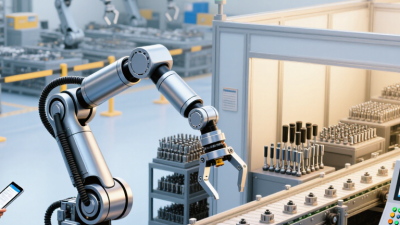




Palletizing systems turn finished cartons, bags, cases, or containers into stable pallet loads. They combine conveyors, sensors, robots, grippers, controls, and safety equipment. Together, these components move products from a production line to a precise pallet pattern.
Joe Campbell, Senior Manager of Applications Development at Universal Robots, describes palletizing as “a great entry point into robotics.” His observation reflects real factory conditions. Palletizing often involves repetitive lifting, awkward reaches, and changing product volumes. A robotic arm can pick a case, rotate it, and place it within seconds. The result is a tighter load, fewer handling injuries, and more consistent throughput.
Still, the technology is not a magic shortcut. A poorly designed palletizing system can create unstable stacks, damaged packaging, or unnecessary downtime. Product weight matters. So do box dimensions, pallet height, gripper design, conveyor spacing, and operator access. Even a small error in layer alignment can grow into a leaning load several feet high.
Modern systems may use vision cameras, collaborative robots, automatic pallet dispensers, and software that switches between recipes. Experienced integrators test the complete process with real products, not only digital models. They measure cycle time, changeover effort, energy use, and maintenance access.
The human factor deserves equal attention. Operators need clear controls and practical training. They also need a safe way to recover from jams. That detail is easy to overlook.
This guide explains what palletizing systems are, how they work, and where their limits appear. It also examines common layouts, robot types, grippers, safety considerations, and selection criteria. The most effective solution is rarely the most complicated one.
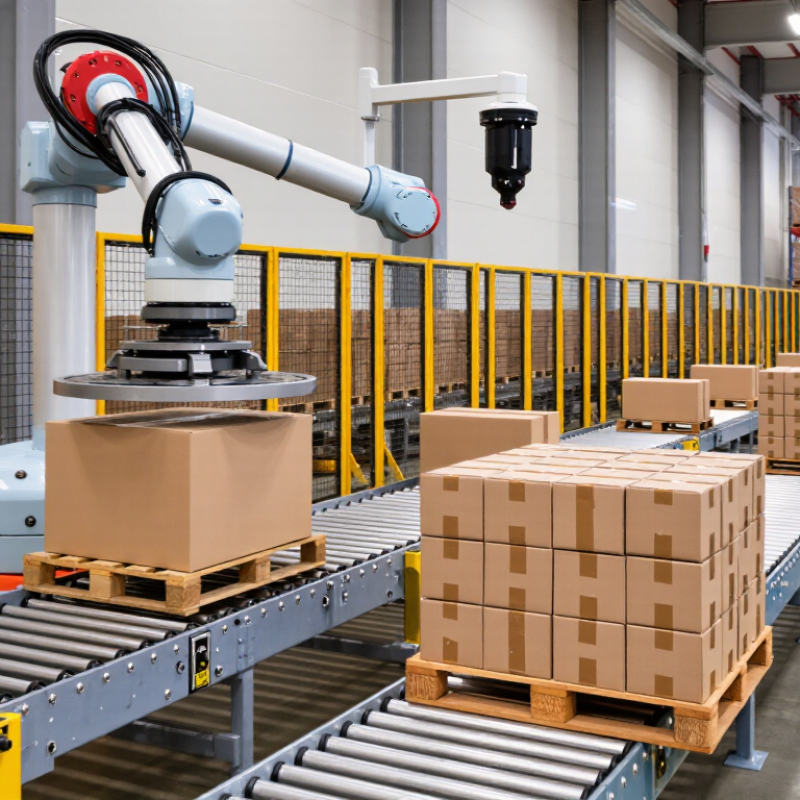
Palletizing systems arrange products on pallets for storage or transport. They may use robotic arms, conveyors, sensors, and specialized gripping tools. Their main purpose is simple: create stable, repeatable, and space-efficient loads. A carton enters the line, moves into position, and receives a planned placement. The system then builds each layer according to programmed dimensions and weight limits.
Good palletizing is more than moving boxes quickly. Engineers consider package shape, surface friction, pallet size, and the product’s center of gravity. A reliable system reduces manual lifting and keeps load patterns consistent. It can also connect with wrapping equipment, barcode readers, and warehouse controls. Operators monitor these steps through a control interface and adjust settings when product conditions change.
Real facilities rarely behave perfectly. Boxes may arrive slightly damaged, underfilled, or misaligned. The system needs sensors and practical recovery procedures for these moments. It is not magic. Poorly tested patterns can cause leaning loads, crushed packaging, or unnecessary downtime. Experienced teams usually test several arrangements before approving production use. They also inspect pallets, grippers, and safety devices on a regular schedule. One overlooked detail can affect the entire shipment.
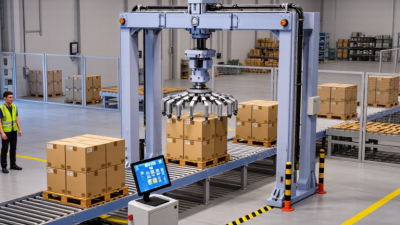
A palletizing system arranges products onto pallets for storage or shipment. Its core components work together to improve speed, consistency, and workplace safety. The process usually begins with an infeed conveyor, which carries cartons, bags, or containers toward the loading area. Sensors detect product position and help control spacing. A programmable controller coordinates each movement.
The palletizer is the central handling unit. It may use robotic arms, layer-forming equipment, or mechanical pushers. Grippers hold products without crushing corners or damaging packaging. A pallet dispenser supplies empty pallets, while a roller conveyor moves completed loads away. Layer sheets can improve stability between product levels. Guards, emergency stops, and light sensors protect operators around moving equipment. These details matter. Small alignment errors can create leaning stacks and costly interruptions.
Tips: Match the gripper to the product’s weight, shape, and surface. Test different stacking patterns before full production. Leave enough space for maintenance access. Check sensors regularly, because dust or vibration can cause false readings. In practice, no system performs perfectly every day. Packaging changes, uneven pallets, and rushed adjustments can reduce reliability. Operators should record recurring faults instead of correcting them silently. A practical review often reveals that the conveyor speed, not the robot, causes the delay. Regular inspections and careful training support safer, more dependable palletizing.
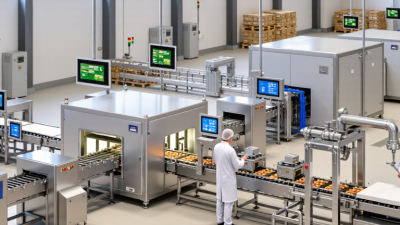
Palletizing systems organize products into stable loads for storage and transport. The process begins when cartons, bags, or containers leave the production line. Conveyors guide each item toward a scanning or inspection point. Sensors check position, spacing, and sometimes product weight. If something appears misaligned, the system may divert it for review.
Next, software calculates the stacking pattern. This pattern considers product dimensions, pallet size, weight distribution, and load stability. A robotic arm or mechanical palletizer then picks each product and places it on the pallet. Layers usually follow a planned arrangement, with small adjustments for corners and edges. Slip sheets or separators may be added between layers. Then, a pause. The system may confirm the layer before continuing. Once the stack reaches its target height, wrapping or securing equipment helps reduce movement. Real facilities are less perfect than diagrams suggest. Dust, uneven cartons, and changing product sizes can slow the flow.
Tips: Keep conveyor surfaces clean and inspect sensors regularly. Confirm that the stacking pattern matches the actual product dimensions. Train operators to respond to jams safely and record repeated faults. A stable pallet is not always the fastest pallet. Test the load under realistic handling conditions before changing production settings. Human checks still matter, especially when packaging changes. Metrics such as cycle time, rejected products, and pallet damage can reveal weak points. Some problems are caused by upstream packing, not the palletizer itself. That detail is easy to miss.
An automated palletizing system receives products on a conveyor, groups them into a defined pattern, forms layers, and places each layer on a pallet. The chart below shows an illustrative palletizing cycle using 8 cases per layer and 10 layers per pallet.
Each completed layer adds 8 cases to the pallet. A full 10-layer pallet therefore contains 80 cases. Actual quantities depend on case dimensions, pallet size, product stability, and the selected stacking pattern.
Palletizing systems arrange cartons, bags, trays, or cases into stable pallet loads. The commonest method is layer palletizing. A conveyor groups products into a pattern, then a layer-forming device transfers them onto the pallet. This method suits uniform cartons and high-volume lines. It is fast and predictable. Robotic pick-and-place systems offer more flexibility. A robot uses a vacuum, clamp, or fork gripper to place individual cases. It can handle changing package sizes and mixed orders.
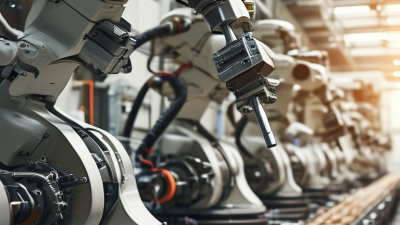
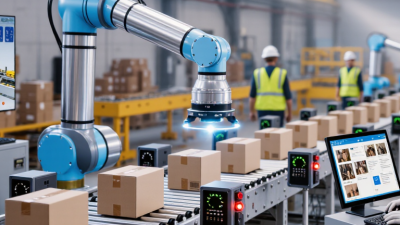
Gantry palletizers move across fixed axes and often serve heavy, repetitive loads. Robotic palletizers use articulated arms and vision sensors. Collaborative systems can work near operators, but their speed and payload remain limited. Essential equipment may include pallet dispensers, roller conveyors, slip-sheet applicators, pattern software, safety guarding, and stretch wrappers. The International Federation of Robotics reported 541,302 industrial robots installed worldwide in 2023. That figure shows growing automation demand, but it does not guarantee a suitable palletizing design.
Performance depends on details. A dusty carton can weaken vacuum grip. Uneven cases can collapse a tall stack. Product testing should measure cycle time, damage rate, changeover time, and pallet stability. MHI’s 2024 Annual Industry Report found that 83% of surveyed organizations planned to increase supply-chain technology investment. Investment alone is not enough. A badly matched gripper wastes money. Human review still matters. Sometimes, a simpler layer palletizer performs better than an advanced robotic cell.
What Are Palletizing Systems and How Do They Work?
A palletizing system places cartons, bags, or containers onto pallets in planned patterns. Its work starts with product detection, spacing, and movement toward the stacking area. A robot or mechanical arm then builds each layer with controlled speed. Sensors check position, pallet presence, and load height during operation. When selecting a system, begin with product dimensions, weight, surface condition, and required output.
The pallet pattern must protect products while using pallet space efficiently. A stable pattern reduces shifting during storage and transport. Throughput matters, but maximum speed is not always the best choice. Faster motion can increase product damage, noise, and maintenance needs. Review the available floor space, pallet sizes, conveyor direction, and access for service technicians. The system should also connect reliably with upstream equipment and warehouse procedures.
Operating results depend on practical details. Operators need clear controls, safe access points, and training for normal adjustments. Guarding, emergency stops, and sensor checks require regular inspections. In my experience, small alignment errors can create repeated stoppages. They are easy to overlook. Test different product batches before approving the final pattern. Packaging can change slightly between production runs, affecting gripping and stacking accuracy. A useful design leaves room for cleaning, part replacement, and future output changes. No layout is perfect, so recorded downtime should guide later improvements.
| System Type | Typical Throughput | Typical Load Range | Operating Principle | Main Advantages | Important Considerations |
|---|---|---|---|---|---|
| Robotic Palletizer | 5–40 cases/minute, depending on payload and pattern | Typically 10–150 kg per pick | A programmable robotic arm picks products and places them according to a predefined pallet pattern. | Flexible layouts, quick product changeovers, and the ability to handle multiple package formats. | Requires suitable end-of-arm tooling, guarding, programming, and routine safety checks. |
| Conventional Layer Palletizer | Usually 20–60 cases/minute | Commonly 5–30 kg per case | Cases are aligned into complete layers and transferred onto the pallet using gates, pushers, or lifting mechanisms. | High repeatability, efficient layer formation, and strong performance in high-volume operations. | Less adaptable to frequent format changes and generally needs more fixed conveyor equipment. |
| Low-Level or Floor-Level Palletizer | Approximately 10–30 cases/minute | Commonly 5–25 kg per case | Products enter at floor level and are grouped, squared, and positioned onto a pallet. | Moderate cost, accessible maintenance points, and suitability for smaller production lines. | May require additional floor space and can have lower throughput than high-level systems. |
| High-Level Palletizer | Approximately 30–80 cases/minute | Commonly 5–30 kg per case | Products are elevated above the pallet and arranged in layers before being lowered into position. | Good use of floor space and consistent performance for large, steady production volumes. | Needs adequate building height, guarding, access platforms, and more complex maintenance procedures. |
| Collaborative Palletizing Cell | Often 5–15 cases/minute | Usually up to approximately 20 kg per pick | A force-limited robot works near operators under a risk-assessed collaborative setup. | Compact installation, easier deployment for moderate volumes, and reduced manual lifting. | Speed may be limited by safety settings, payload, reach, and the required risk assessment. |
| Decision Factor | What to Evaluate | Practical Operating Target or Check | Effect on System Choice |
|---|---|---|---|
| Required Throughput | Cases per minute, pallets per hour, peak demand, and future volume growth. | Size the system for normal output while allowing capacity for short-term peaks and planned growth. | Higher rates generally favor layer or high-level systems; variable rates often favor robotic systems. |
| Product Characteristics | Package dimensions, weight, rigidity, surface friction, stability, and susceptibility to damage. | Confirm that the gripper, conveyor, and transfer surfaces can handle the product without deformation or slipping. | Irregular, fragile, or mixed products usually require flexible tooling and controlled handling. |
| Pallet Pattern | Cases per layer, number of layers, column or interlocked arrangement, and load overhang limits. | Use a pattern that balances product stability, pallet utilization, and safe transport requirements. | Robotic systems support more pattern changes; fixed layer systems are efficient for stable, repeatable patterns. |
| Pallet and Load Dimensions | Pallet length, width, height, allowable load weight, and pallet condition. | Verify that the finished load remains within the pallet footprint and the approved height and weight limits. | Different pallet sizes may require recipe management, adjustable conveyors, or separate palletizing programs. |
| Changeover Requirements | Number of products, pattern changes, production runs, and acceptable changeover time. | Use stored recipes, clear setup instructions, and tool-free adjustments where practical. | Frequent changeovers increase the value of programmable controls and flexible robotic handling. |
| Available Space | Floor area, ceiling height, access routes, operator space, and maintenance clearance. | Reserve safe access around conveyors, guarding, electrical panels, and service points. | Compact robotic cells may suit restricted layouts, while high-level systems use vertical space. |
| Safety Requirements | Moving machinery, pinch points, robot reach, access doors, emergency stops, and operator interaction. | Complete a documented risk assessment and verify guarding, interlocks, signage, and emergency-stop functions. | Safety design influences cell layout, operating speed, access procedures, and whether collaborative operation is suitable. |
| Integration and Controls | Upstream conveyors, pallet dispensers, slip-sheet units, stretch wrappers, sensors, and production data systems. | Test product flow, communication signals, fault recovery, and restart sequences before production release. | A fully integrated line can reduce manual handling but requires coordinated controls and commissioning. |
| Maintenance and Uptime | Wear parts, lubrication, sensor cleanliness, spare parts, service skills, and planned downtime. | Use preventive maintenance schedules and track downtime, fault frequency, and mean time to repair. | Systems with accessible components and standardized parts are generally easier to maintain. |
| Total Cost of Ownership | Capital cost, installation, energy, labor savings, maintenance, tooling, training, and system upgrades. | Compare the complete lifecycle cost rather than evaluating purchase price alone. | The best choice depends on volume, labor availability, product mix, uptime requirements, and expected service life. |
| Note: Throughput and payload figures are indicative planning ranges. Actual performance depends on product dimensions, pallet pattern, robot reach, conveyor timing, tooling, safety settings, and line integration. | |||