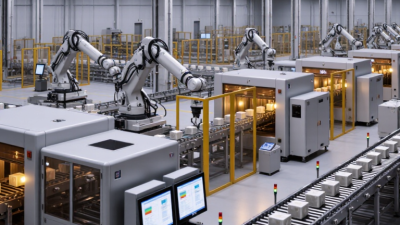




Buying smart processing systems is not simply a matter of choosing the newest controls or the fastest line. The right system must fit your process, operators, facility, and plans for growth. A sensor-rich machine can still disappoint if it cannot share data with existing equipment or is difficult to clean and maintain. Small details matter: a hard-to-reach valve, unclear alarm, or delayed replacement part can disrupt an entire shift.
Industry research shows why careful evaluation matters. A 2019 Deloitte and MAPI survey found that 86% of manufacturers expected smart factory initiatives to be a key driver of competitiveness within five years. McKinsey Global Institute estimated that the Internet of Things could generate $3.9 trillion to $11.1 trillion in annual economic value by 2025, across many sectors. These are broad estimates, not guaranteed returns for an individual plant. Still, they point to the potential value of connected equipment when it solves a real operational problem.
This guide offers 10 practical tips for buying smart processing systems, from checking throughput and integration needs to reviewing service support and total ownership costs. Ask vendors to demonstrate the system using realistic production conditions, not just a polished showroom cycle. Get operator and maintenance teams involved early. Their feedback may challenge the original specification. That is useful. No system removes every bottleneck, and buyers can overlook everyday constraints. A thoughtful comparison can help you choose technology that performs reliably beyond the sales presentation.
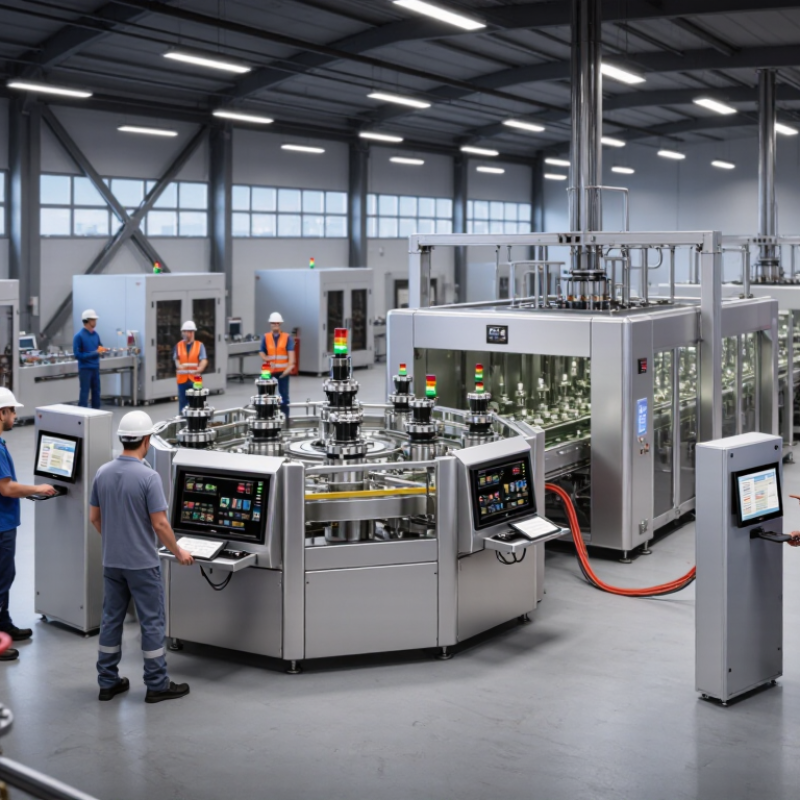
Before comparing smart processing systems, document what the operation actually needs to process. Include typical and peak batch sizes, material properties, target outputs, and product changes. Record a normal shift, not just the best production hour. A system sized for peak demand may sit underused; one sized for average demand may create bottlenecks. Start with reality. Not guesses.
Set measurable performance goals. Specify throughput in units per hour, acceptable tolerances, changeover time, waste, energy use, and expected uptime. Define which data must be captured and how operators will verify it. “Faster” is not a useful acceptance target. Use existing production logs as a baseline, and agree on measurement methods before procurement. Keep assumptions visible, especially when input materials vary by season or source.
Map the system’s place in the workflow. Note available floor space, loading methods, cleaning needs, and connections to existing equipment or data systems. A short trial with representative materials can expose limits that a specification sheet misses. The first draft of a goal list is rarely complete. That is normal. Review it with operators, maintenance staff, and quality teams; they may notice a slow handoff or awkward access point that managers overlook.
Treat the specification sheet as a starting point, not a verdict. Compare systems using the same material, batch size, and quality target. Check operating range, control accuracy, changeover time, and cleaning access. A fast cycle is not useful if results vary between runs. Ask for test data from your own process conditions, then record yield, rejects, and downtime. Small details matter.
Automation deserves a practical test. Can operators adjust a recipe without bypassing safeguards? Will the system detect a blocked feed, pause safely, and explain the alarm clearly? Review startup, shutdown, and recovery steps, not just the automatic cycle. Too much automation can hide a weak process. It happens. I would not trust a polished dashboard alone; it may omit a downtime code that matters to your team.
Check which data the system records, how often it updates, and whether staff can export it in a usable format. Useful records include timestamps, batch settings, alarms, and operator changes. Ask who can edit recipes and how changes are logged. Then test a routine report with the people who will use it. The interface may look simple, yet one unclear label can slow a busy shift. Also consider whether the system can connect with existing equipment; compatibility is easy to assume and harder to verify.
A smart processing system must fit the plant you have, not just the plant in a sales presentation. Check its interfaces before comparing speed or capacity. List your controllers, sensors, databases, network protocols, and safety interlocks. Ask for a live integration test using your own equipment. Confirm that timestamps, measurement units, alarms, and data ownership remain consistent across systems. Deloitte’s 2023 Smart Manufacturing Survey of 816 executives across 11 countries found that 86% expect smart manufacturing to drive competitiveness within five years. That ambition depends on systems working together.
Tip: map connections first. Trace one reading from a sensor to the controller, historian, and operator screen. Watch for manual re-entry or delayed updates. Compatibility on paper can still fail on a busy network. Ask how software updates affect existing interfaces, and request clear documentation for APIs and data formats. A small pilot can expose problems before a full installation, though it may not reproduce every production condition.
Tip: plan for growth, but test the limits. Estimate future throughput, data volume, and extra equipment needs. Check whether capacity can expand in stages without replacing the core system. Ask what happens when a connection drops or a module is added. I would not assume “scalable” means simple; expansion can introduce unexpected downtime and retraining. Get the costs and technical requirements in writing.
Security should be tested, not accepted as a sales claim. Ask how the system controls user access, encrypts stored and transmitted data, and records administrative changes. Request a sample audit log and a clear patching schedule. If the system connects to existing equipment, map every connection and identify who can reach it. A neat diagram helps. So does a real recovery test. Confirm how often backups are made and whether staff have restored one successfully.
Vendor support matters most when production slows at 2 a.m. Check support hours, response targets, escalation steps, and whether technicians can diagnose problems remotely. Ask what training is included and how much follow-up help costs. Speak with a current customer in a similar operation, if possible. Contracts can sound reassuring, yet vague response promises may leave a team waiting. That detail is easy to overlook.
Compare total ownership costs over several years, not just the purchase price. Include installation, integration, subscriptions, operator training, spare parts, energy use, upgrades, and planned downtime. Ask which costs can change and what triggers an increase. A simple spreadsheet can expose gaps. Even a careful forecast will miss something. Leave room for unplanned repairs, and revisit the estimate after a pilot. A modest pilot may reveal workflow friction that a polished demonstration never shows.
Smart processing systems can promise faster cycles and fewer errors, but a polished demonstration is not proof. Deloitte and MAPI’s 2021 Smart Factory Study found that 86% of surveyed manufacturing executives expected smart factory initiatives to drive competitiveness within five years. That expectation makes verification important. Test with your own product, operating settings, and data—not a supplier’s ideal sample. A flawless demo proves little.
Tip: Run a timed trial using representative materials. Record throughput, cycle time, reject rate, downtime, and energy use. Then repeat the test at normal and peak loads. Watch the screen, but also inspect the output: a fast line that creates inconsistent parts is not a good result. Agree on pass criteria before testing, and keep the raw readings.
Check integration, too. Connect the system to your existing equipment and data flow, then simulate a sensor fault or brief network interruption. Does it recover safely? Can operators find alarms and adjust settings without digging through confusing menus? Ask for the test conditions in writing. Some results may vary on your floor, and that deserves a second test.