




Why Do Global Buyers Choose Smart Processing Systems?
Global buyers are not choosing smart processing systems for technology alone. They want steadier output, clearer production data, and fewer costly surprises. A line supervisor may need to spot a bottleneck before a shift falls behind. A plant manager may want to compare energy use across machines without waiting for a monthly report. These practical needs shape purchasing decisions more than impressive product labels.
AI researcher Andrew Ng has described artificial intelligence as “the new electricity.” His comparison offers a useful lens, though AI is only one part of a smart processing system. Sensors, control software, connected equipment, and trained staff must work together. When they do, teams can monitor equipment conditions, adjust processes, and make decisions with fresher information. The gains are not automatic. Poor data, difficult integration, or unclear ownership can weaken an otherwise capable installation. That part is easy to overlook.
Buyers also weigh reliability, service access, cybersecurity practices, and compatibility with existing machinery. A system that performs well in a demonstration may behave differently on a crowded factory floor. Real-world references and transparent performance measures matter. So does a realistic implementation plan. Some facilities may benefit from a phased rollout; others may need process improvements before adding new software. There is no universal answer. This article explores why global buyers select smart processing systems, what benefits they expect, and which questions deserve careful attention before investment. A little skepticism helps. The best choice is not always the newest one.
What Smart Processing Systems Are and How They Operate
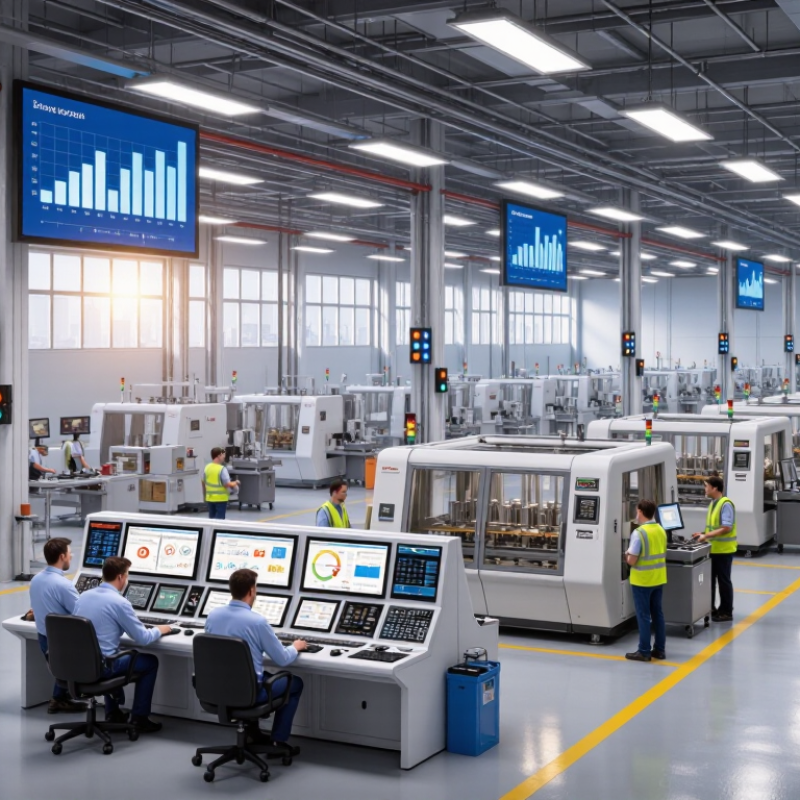
Smart processing systems connect machines, sensors, control software, and production data in a continuous operating loop. On a processing line, sensors can track temperature, pressure, vibration, and flow in real time. A programmable controller handles fast local actions, while manufacturing execution software schedules jobs and records output. Analytics compare live readings with target ranges and flag process drift before defects spread. Operators still set limits, inspect exceptions, and decide when intervention is needed. It is not magic. Poor calibration or stale data can trigger the wrong adjustment, so routine sensor checks and reliable records matter.
The International Federation of Robotics reported 4.28 million industrial robots operating worldwide in 2023, a 10% increase from 2022. That figure shows automation’s growing role, though robots alone do not make a processing system smart. Deloitte’s 2024 Smart Manufacturing Survey found that 86% of surveyed manufacturing leaders expect smart manufacturing to be a key competitiveness driver within five years. Yet outcomes vary. Connectivity, staff training, and maintenance routines determine whether data leads to useful action or merely more alerts. A small change in pump vibration, for example, can prompt an inspection before it affects product quality. But if the sensor is poorly placed, that warning may be misleading.
| Dimension | What It Means | How It Works in Practice | Why Buyers Consider It |
|---|---|---|---|
| System definition | A smart processing system combines processing equipment with sensors, control software, and data connectivity. | The system gathers operating information, applies configured rules or control logic, and adjusts equipment or alerts operators. | It can make process conditions easier to monitor and manage than equipment operated only through manual checks. |
| Sensing and data collection | Sensors measure variables relevant to a process, such as temperature, pressure, flow, level, or motor condition. | Measurements are sent to controllers or monitoring software at configured intervals or in response to events. | A clearer view of operating conditions can support process oversight and help staff identify deviations sooner. |
| Control and automation | Control functions use measurements and setpoints to regulate equipment or maintain defined process conditions. | Controllers can adjust actuators, valves, drives, or other equipment; operators can supervise and intervene where required. | Repeatable control can reduce reliance on repeated manual adjustments, subject to appropriate design and calibration. |
| Process monitoring | Monitoring tools present current readings, operating status, alarms, and historical trends. | Operators review dashboards or control-room displays and investigate readings that fall outside configured limits. | Trend data can help teams understand recurring interruptions and compare actual operation with process targets. |
| Data and traceability | Digital records may include process readings, alarms, equipment states, and operator actions, depending on system configuration. | Records can be stored locally or transmitted to other software, subject to connectivity, access controls, and retention settings. | Consistent records can support troubleshooting, operational review, and applicable documentation requirements. |
| Maintenance support | Equipment data and alarms can provide information about operating status and possible maintenance needs. | Maintenance teams review indicators, fault histories, and inspection findings to plan service; predictive functions require suitable data and models. | Earlier visibility into faults may help teams plan interventions, although it does not guarantee prevention of downtime. |
| Integration and scalability | Integration connects processing equipment with supervisory, production, or business systems where compatible interfaces are available. | Data exchange depends on communication protocols, system architecture, configuration, and cybersecurity controls. | Buyers can assess whether a system fits existing operations and can be expanded without assuming all equipment is automatically compatible. |
| Buyer evaluation | Evaluation compares technical fit, operating requirements, lifecycle costs, support, and measurable performance goals. | Buyers can review capacity, accuracy, reliability, energy use, maintenance needs, training, security, and integration requirements for their application. | A structured comparison helps align the purchase with site conditions and avoids relying on unsupported performance claims. |
Related Posts
-
2026 Best Smart Processing Systems for Global Buyers?
-
How to Choose Automated Production Systems in 2026?
-
What Are the Best Automated Production Systems in China?
-
7 Best Case Packing Systems for Global Buyers
-
Top 10 Processing Line Automation Solutions?
-
What Are Palletizing Systems and How Do They Work?