




This article is part three of three in a series focused on helping food processors learn more about HE robotics integration, including the history behind food-grade robotics, the benefits of robotics and tips on vetting integrators and robotics producers. Click here to read part one–The History of HE Robotics–or part two–The Benefits of HE Robotics.
After ascertaining that a food-grade robotics system is right for an organization, it’s research time.
At this stage, the food processor can start vetting integrators and robotics manufacturers. While talking to those organizations, the processor can also start determining what robots and end-of-arm tooling will be right for their application.
Let’s delve into that more.
Vetting Robotics Manufacturers & Integrators
Processors should never just go with the first robotics integrator or manufacturer they find.
Instead, shop around. Talk to numerous integrators and manufacturers. Research those companies.
Remember, robotics systems are not “cheap” products. These are highly complex machines that can make or break a processing line. Before purchasing one, the processor should look for a quality manufacturer and integrator.
To vet a robotics manufacturer, start by talking to their sales representative. Provide as many details as possible about your organization, including processes, products and pain points. A good robotics representative will also visit your facility so they can look at your line. This will help them determine whether or not they have a robot that fits your needs. In addition, look into the company’s history. Experience isn’t everything, but it’s definitely a big deal when investing in a costly endeavor that has huge consequences for an organization.
Also in regard to experience, check out their robotics selection. As a food processor, you want to work with a robotics manufacturer who knows the industry, not one who’s never put a robot in a facility similar to your own. As discussed in Part 1 of this series, food-grade robotics are vastly different from “regular” robots. It doesn’t matter how much experience or how loved the robotics manufacturer is–if you need washdown robots and they don’t have them, they shouldn’t be in consideration.
Some processes, such as palletizing packages, don’t require the robots to be washdown capable, though. So again, it comes down to sharing your processes and needs with the manufacturer and getting their insight into their best product fits.
A quality integrator can help, too.
A robotics integrator is an organization that works with the processor and robotics manufacturer to design a robotics solution that fits the processor’s needs. The integrator will also program and install the system in the processor’s facility.
How can you know you’re partnering with a good integrator?
Again, research. Check out the integrator’s credentials. Talk to the robotics manufacturers about integrators they’ve worked with in the past. Some integrators and manufacturers, such as EnSight and Stäubli, have established relationships through previous integrations. These relationships can be extremely beneficial to the processor as it means the companies are comfortable working together–they will function as a team during your integration, not just as companies trying to a sale.
During your research, make sure you vet the organization’s experience with food processors, especially ones that are similar to yours. For example, if your organization is looking for an automation solution that involves handling raw meat, an integrator who has only worked with bakeries isn’t likely to understand your processes and pain points as well.
Once you’ve decided upon the integrator and manufacturer, it’s time to pick your machines.
Picking Robots & End-of-Arm Tooling
This is where being transparent with the integrator and robot manufacturer are exceptionally key.
During this process, the teams will meet with you to discuss your needs, pain points and processes. They’ll review your facility and work with you to determine a system that will meet your needs.
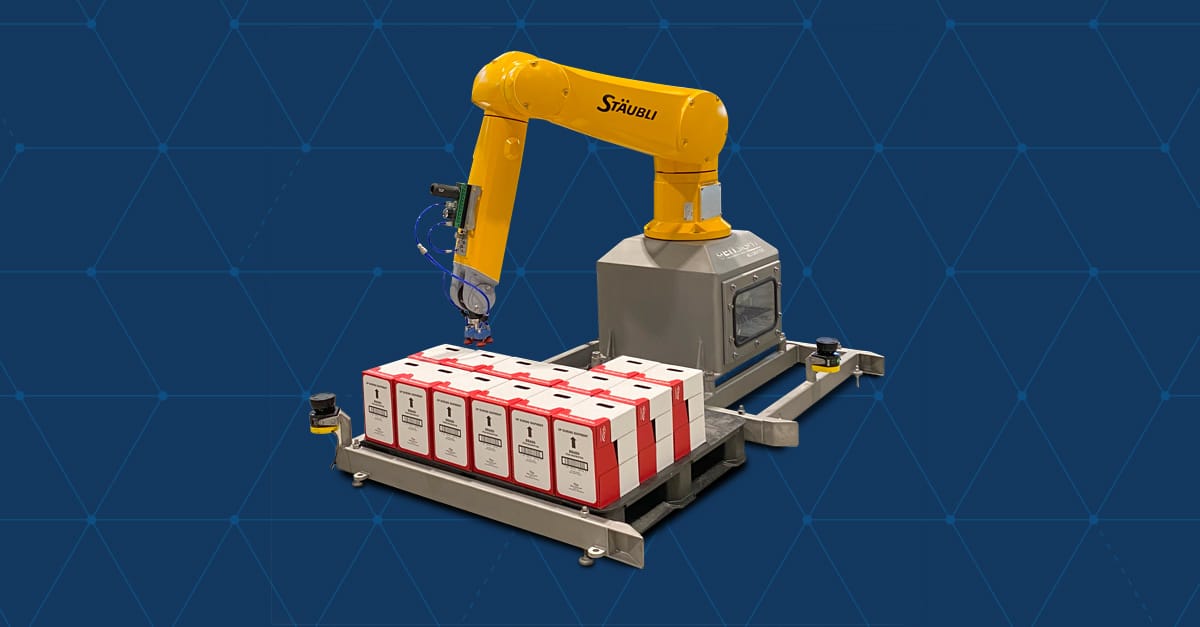
There are a variety of hygienic robotic solutions on the market. What works best for you depends on what you need it to do. For a simple pick and place, a SCARA model might excel. But if you need to manipulate product or palletize boxes, a 6-axis robot might be better.
As you’re considering the type of robot you need, you’ll also be determining what type of end-of-arm tooling you’ll need. Again, the process and product will dictate this choice.
It might seem intimidating, but there’s no reason to fret. When you partner with a good integrator and robotics manufacturer, your burden will be much lighter. The teams will be able to guide you through the plethora of options to find the solution that’s going to work best for your organization and product.
EnSight and Stäubli have worked together on numerous robotics integrations for food processors. Our teams understand the ins and outs of hygienic environments, food-grade robots and end-of-arm tooling. We can help you integrate a robotics solution that will improve your organization’s processing efficiency, overcome labor shortages, mitigate rising costs and keep team members safe.
If you’re interested in learning more, please contact EnSight Solutions to start your automation journey now.