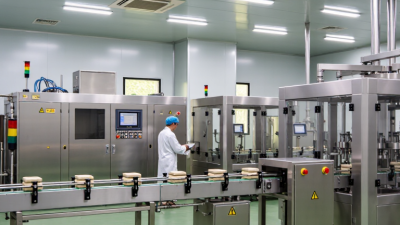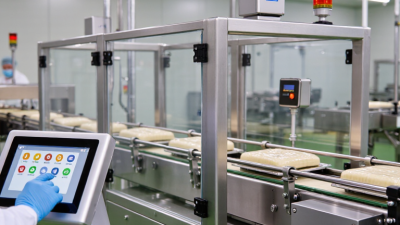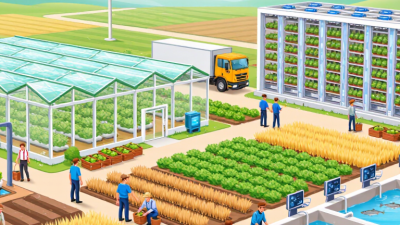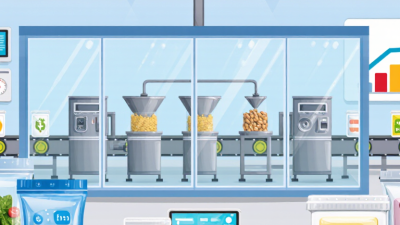




Global buyers need more than attractive harvest photos and low quoted prices. They need food production systems that deliver safe, consistent, traceable products across borders. This guide examines seven practical models, from open-field farming and protected greenhouses to hydroponics, vertical farms, contract farming, precision agriculture, and regenerative production.
Each system solves a different problem. Greenhouses can protect tomatoes from sudden weather changes. Hydroponic facilities may reduce soil-related risks and water use. Contract farming can improve volume planning, but farmer support must be genuine. Precision tools can identify dry rows through field sensors, although poor data can create expensive decisions. Buyers should also review sanitation records, worker training, harvest controls, certifications, and cold-chain performance.
There is no perfect model. A highly automated farm may still depend on fragile energy supplies. A low-cost supplier may lack reliable traceability. Even an impressive audit can miss daily operating weaknesses. That is why responsible sourcing requires site visits, document checks, sample testing, and direct conversations with growers. Small details matter.
This overview compares productivity, quality control, scalability, environmental performance, cost, and supply reliability. It also considers regional climate, infrastructure, labor skills, and import requirements. The “best” system depends on the product and market. Buyers should challenge simple rankings and match production methods with real purchasing risks. That approach supports safer decisions, stronger supplier relationships, and more dependable global food supply chains.
For global buyers, a food production system is more than a factory and its equipment. It includes sourcing, processing, quality checks, labor practices, packaging, storage, and delivery. A useful comparison covers seven models: conventional farming, contract farming, vertical farming, hydroponics, integrated processing, co-packing, and regional cold-chain production. Each model manages risk differently.
During supplier evaluations, buyers should examine how ingredients move from field to shipment. Ask for batch records, testing procedures, worker training, and temperature logs. A reliable system can explain what happens when a delivery fails or a test result looks unusual. It should also support traceability across borders and provide clear product specifications. Technology helps, but it does not replace trained people. Some systems appear efficient on paper yet struggle during seasonal shortages. That weakness deserves honest attention.
Tips: Visit the production site when possible. Check storage areas, water controls, cleaning routines, and loading conditions. Compare written procedures with daily practice. Request recent audit evidence, but do not treat one certificate as complete proof. A strong buyer also tests a small order before committing to larger volumes.
7 Best Food Production Systems for Global Buyers?
“How the Seven Major Food Production Systems Are Classified” is more useful than simply ranking them. A buyer-oriented model separates systems by land use, labor, inputs, and supply-chain control. Smallholder farming serves local and regional markets, often with diverse crops. Commercial field-crop farming uses mechanization and standardized varieties. Plantation farming focuses on perennial crops, usually with centralized processing. These systems can overlap, which makes classification imperfect.
Pastoral production relies on grazing animals and seasonal mobility. Intensive livestock farming depends on controlled housing, feed programs, veterinary oversight, and strict waste management. Mixed crop-livestock farming links fields and animals, allowing manure and crop residues to circulate. Aquaculture produces fish, shellfish, or aquatic plants in ponds, tanks, cages, or coastal areas. FAO’s State of World Fisheries and Aquaculture 2024 reported 185.4 million tonnes of aquatic animals produced in 2022, with aquaculture supplying more than half.
For global buyers, the “best” system depends on product sensitivity and delivery risk. OECD-FAO Agricultural Outlook 2024-2033 projects agricultural and fish production to grow about 1.1% annually. That growth will increase pressure on traceability, cold storage, water use, and labor verification. FAO’s State of Food and Agriculture 2023 estimated hidden agrifood-system costs exceeded 10 trillion dollars in 2020. A low purchase price may hide expensive environmental or social weaknesses. Buyers should compare farm records, batch controls, transport temperatures, and corrective actions, not just production volume. Mistakes happen, especially when a supplier’s system fits the product but not the destination market.
| Food Production System | Core Classification | Typical Products | Primary Production Environment | Key Resource Profile | Main Buyer Advantages | Important Limitations | Best-Fit Global Buyer Needs |
|---|---|---|---|---|---|---|---|
| Conventional Field Agriculture |
Large-scale production based on mechanization, improved seed varieties, mineral fertilizers and regulated crop-protection products.
Open fieldHigh volume |
Wheat, maize, rice, soybeans, potatoes, sugar crops, oilseeds and fresh produce. | Temperate, tropical and subtropical farmland, usually organized in commercial farms or coordinated supply networks. | Generally land- and water-dependent; mechanization improves labor productivity. Inputs and environmental performance vary significantly by crop and region. | Reliable volumes, established logistics, broad commodity availability and competitive pricing for standardized products. | Potential soil degradation, nutrient losses, pesticide exposure and greenhouse-gas emissions if management practices are poor. | Importers, food processors, institutional buyers and retailers seeking consistent specifications and scalable supply. |
| Organic Agriculture |
Production governed by organic standards that restrict most synthetic fertilizers and pesticides and generally prohibit genetically modified organisms; certification requirements vary by market.
Certified or transitionalSoil-based |
Fresh fruits and vegetables, grains, pulses, herbs, coffee, cocoa, spices and livestock products. | Open fields, orchards, pasture systems and protected cultivation managed under an approved organic standard. | Relies on crop rotations, compost, biological controls, resistant varieties and mechanical weed management. Yields can vary by crop, climate and farm practices. | Access to certified-organic market segments, strong traceability expectations and differentiated consumer positioning. | Certification costs, segregation requirements, limited input choices and possible yield or supply-volume constraints. | Buyers requiring verified organic status, documented chain of custody and premium or specialty-market positioning. |
| Regenerative Agriculture |
Outcome-focused farming that aims to improve soil health, biodiversity, water infiltration and ecosystem function through practices such as cover cropping, reduced tillage and diversified rotations.
Soil restorationOutcome-based |
Grains, oilseeds, pulses, fruits, vegetables, fiber crops and livestock from managed grazing systems. | Primarily open-field farms and mixed crop-livestock landscapes. | May reduce erosion and improve soil organic matter and water retention; results depend on local climate, baseline conditions and management quality. | Supports sustainability targets, supply-chain resilience and measurable soil and biodiversity programs. | No single globally uniform definition; verification methods, data quality and outcomes can differ between suppliers. | Buyers seeking environmental performance data, resilient sourcing programs and long-term supplier partnerships. |
| Agroecological and Diversified Farming |
Farming designed around ecological relationships, crop diversity, natural nutrient cycles and locally adapted management rather than dependence on a single production model.
BiodiversityMixed systems |
Mixed vegetables, fruits, grains, pulses, herbs, spices, livestock and non-timber products. | Smallholder farms, mixed farms, agroforestry landscapes and community-based agricultural areas. | Often improves biological diversity and nutrient cycling; labor and management knowledge are important inputs, while external input use can be lower or more targeted. | Product diversity, local adaptation, potential livelihood benefits and stronger resilience to some climate and market shocks. | Aggregation, uniformity, documentation and export-scale consistency may require additional coordination and infrastructure. | Specialty importers, ethical sourcing programs, regional food distributors and buyers valuing diversified supply bases. |
| Controlled-Environment Agriculture |
Production in greenhouses or other protected structures where temperature, humidity, irrigation, light or nutrient delivery are partially controlled.
Protected cultivationPrecision inputs |
Tomatoes, cucumbers, peppers, leafy greens, berries, seedlings and culinary herbs. | Greenhouses, screenhouses and protected growing structures located near markets or suitable infrastructure. | Can improve water-use efficiency and crop consistency; heating, cooling, lighting and construction materials may increase energy and capital requirements. | Year-round or extended-season supply, improved uniformity, reduced weather exposure and proximity to urban markets. | High capital costs, energy sensitivity, technical complexity and dependence on reliable water, power and climate-control systems. | Retailers and foodservice buyers requiring predictable quality, local or near-market delivery and extended supply windows. |
| Soilless and Vertical Farming |
Crops grown without field soil using hydroponic, aeroponic or substrate-based systems, often arranged in stacked indoor or highly controlled environments.
SoillessUrban or indoor |
Leafy greens, microgreens, culinary herbs, seedlings and selected small fruit crops. | Indoor facilities, warehouses, urban farms and advanced greenhouses. | Water use per unit of crop can be low because water and nutrients are recirculated; electricity demand can be substantial, especially for artificial lighting and climate control. | Consistent production, short supply chains, low exposure to soil-borne pathogens and precise control over growing conditions. | Usually limited crop range, high equipment and operating costs, dependence on energy reliability and challenges with profitability at commodity scale. | Urban retailers, foodservice operators and buyers seeking highly consistent leafy products with short delivery distances. |
| Aquaculture and Integrated Aquatic Production |
Managed cultivation of aquatic animals, plants or algae in ponds, tanks, raceways, cages or integrated systems; environmental performance depends on species and production method.
Aquatic systemsFarmed seafood |
Finfish, shrimp, shellfish, seaweed and freshwater aquatic plants. | Freshwater ponds and tanks, coastal waters, offshore cages, recirculating systems and integrated multi-trophic systems. | Water quality, feed, energy and disease management are central inputs. Recirculating systems can reduce water discharge but may require considerable energy and infrastructure. | Year-round seafood availability, predictable harvest planning and reduced dependence on wild-catch fluctuations. | Risks include disease, escaped organisms, nutrient discharge, feed impacts and regulatory differences between producing regions. | Seafood importers, processors, retailers and foodservice buyers requiring species-specific traceability and responsible production data. |
Global buyers often compare conventional, organic, and sustainable production models. Each system solves a different supply problem. Conventional farming usually delivers high yields, stable volumes, and familiar pricing. It can support large contracts, but soil health and chemical management require careful verification. Production records, residue testing, and water-use data should be reviewed before purchase.
Organic farming avoids many synthetic inputs and emphasizes soil management. Buyers may value clearer environmental positioning and stronger consumer trust. However, organic supply can face lower yields, seasonal gaps, and higher handling costs. Certification alone is not enough. Inspect field records, storage conditions, transport controls, and audit dates. Organic food can still travel long distances. That detail is often overlooked.
Sustainable production is broader and more flexible. It may combine efficient irrigation, renewable energy, integrated pest management, crop rotation, and fair labor practices. Hydroponic, vertical, regenerative, and local systems can fit within this model, depending on their measured impacts. A controlled indoor farm may save land but consume substantial electricity. Regenerative farming may improve soil, yet results can vary by climate and measurement method. No model wins every category. Buyers should compare yield, carbon data, water use, biodiversity, shelf life, and traceability against the product’s destination. Some supplier claims will remain incomplete. That is where independent verification and honest risk reporting matter.
Global buyers are no longer choosing food production systems by volume alone. They also assess traceability, resilience, labor conditions, and resource use. Seven models deserve attention: precision agriculture, vertical farming, hydroponics, controlled-environment farming, regenerative agriculture, smallholder cooperatives, and agroforestry.
Technology-driven systems can produce consistent crops near major markets. Sensors monitor moisture, nutrients, temperature, and disease risk. This can reduce waste and improve delivery planning. However, energy costs may weaken their climate benefits. A buyer should request verified data, not attractive efficiency claims. Production records, water measurements, safety audits, and independent certifications matter. The data is often patchy.
Smallholder systems offer different strengths. Local growers may protect crop diversity and understand soil conditions deeply. Cooperatives can combine harvests, share equipment, and improve bargaining power. Digital payment and simple mobile records can support traceability without expensive infrastructure. Yet quality may vary between farms. Training, fair contracts, storage, and reliable transport become essential. A low price is not proof of efficiency.
The strongest supply chain may combine both approaches. A buyer could source staple crops from organized smallholders while using controlled environments for delicate, high-value produce. This mixed structure spreads risk across seasons and regions. It also respects local knowledge. Still, scaling too quickly can damage soil, increase debt, or exclude smaller growers. That concern deserves more attention. A careful evaluation should compare yield, total resource use, worker welfare, farmer income, and performance during droughts or disruptions._久久爱
Choosing a production system for international markets starts with the buyer, not the farm’s preferred technology. Export experience shows that seven models can work: conventional, organic, hydroponic, vertical, cooperative, contract, and integrated production. Each changes cost, labor, traceability, and supply stability. A buyer needing year-round lettuce may value hydroponics. A retailer seeking certified grains may prefer organic field production. Product, destination, and volume must guide the decision.
Before signing contracts, assess water quality, energy prices, climate risk, and port distance. Hydroponics saves land but depends on electricity and skilled monitoring. Vertical farms offer precise control, yet lighting costs can weaken margins. Cooperative systems improve smallholder access, but uneven harvesting can complicate container planning. Contract production supports consistent specifications when audits, training, and fair payment are practical. They are not optional.
International buyers should request batch records, residue testing, worker-safety procedures, and a documented recall process. Check import rules, labeling duties, certification recognition, and permitted treatments before production begins. In my field reviews, farms often calculate yield accurately but underestimate rejected pallets and customs delays. That mistake is expensive. A pilot shipment can expose weak cold-chain steps, unclear documents, or unrealistic delivery promises. The best system remains compliant, traceable, and financially resilient during ordinary disruption. It may not be the most advanced option. Sometimes, simpler production performs better.